

Dr Alvin Ng
Senior Consultant Nephrologist
- Bachelor of Medicine and Surgery (Auckland, New Zealand)
- Fellow of the Royal Australasian College of Physicians
- Fellow of the Academy of Medicine, Singapore (Renal Medicine)
Types of Kidney Dialysis Treatment
When kidney function declines to the point of total kidney failure, often as a result of chronic kidney disease (CKD), dialysis becomes necessary for survival. There are two main types of dialysis used in this stage, each working in a different way and offering distinct advantages and limitations depending on a patient’s medical needs and lifestyle.
Hemodialysis
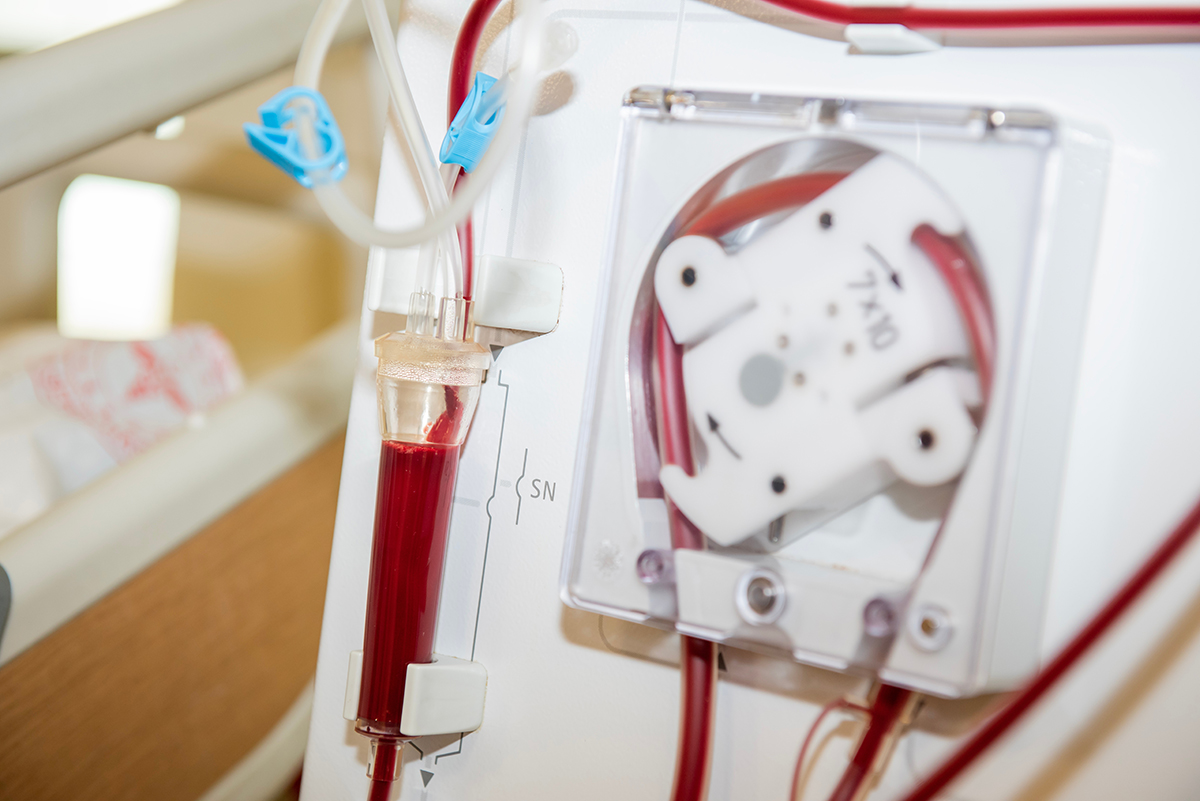
Hemodialysis involves circulating the patient’s blood through a specialised machine that filters out toxins and excess fluids before returning the cleaned blood to the body. This treatment is typically performed at a dialysis centre under the supervision of healthcare professionals, although some patients may be suitable for home-based setups with proper training.
Peritoneal Dialysis
Peritoneal dialysis uses the lining of the abdomen, known as the peritoneum, as a natural filter. A cleansing fluid is introduced into the abdominal cavity through a catheter, where it absorbs waste products before being drained away. This method is usually performed at home and offers greater flexibility, as it can be done throughout the day or overnight while sleeping.
Pros and Cons of Hemodialysis
There are several different approaches to hemodialysis that may cause effectiveness and comfort to vary.
Pros
Effective at Waste Removal
Hemodialysis is highly efficient at removing toxins, waste products and excess fluid from the blood, helping to maintain stable body chemistry.
Less Frequent Sessions
Treatment is typically required about three times per week, which may be more manageable compared to performing daily peritoneal dialysis sessions.
Easier Monitoring by Professionals
Regular sessions can be scheduled in a dialysis centre, allowing healthcare professionals to closely monitor the patient and address any complications promptly.
Cons
Regular Travel Required
Hemodialysis often requires frequent trips to a dialysis centre at first, necessitating a large amount of travel time. This may inconvenience patients with mobility challenges or limited access to transport.
Potentially Fatiguing
Some patients may experience tiredness or low energy levels after each session, which can affect their ability to carry out their usual daily activities.
Constant Needle Usage
Hemodialysis requires repeated needle insertions to access the bloodstream, which may cause discomfort, anxiety or irritation over time. In order to carry out hemodialysis, patients must undergo an operation to form an arteriovenous (AV) fistula, a surgically formed connection between an artery and a vein, usually in the arm. The fistula site can also feel uncomfortable, appear enlarged, and may impact daily activities or body image for some patients.
Pros and Cons of Peritoneal Dialysis
Peritoneal dialysis sessions take place over a longer span of time, which may serve as both an advantage and a downside depending on the patient. A patient needs to perform multiple daily exchanges under sterile conditions, ensure proper catheter care and manage storage of supplies at home, while remaining alert to signs of infection.
Pros
Greater Flexibility and Independence
Peritoneal dialysis can be performed at home, allowing patients to manage their treatment and plan their daily routines. This dialysis method can be done overnight while sleeping, enabling patients to continue working or attending school during the day.
No Need for Needle Insertions
This method uses a catheter instead of repeated needle insertions, which may be more comfortable for some patients. Blood is also not exchanged during the process, which can help patients who are nervous or squeamish about the process.
Fewer Dietary and Fluid Restrictions
Compared to hemodialysis, patients often have fewer restrictions on diet and fluid intake due to the more frequent nature of dialysis.
Cons
Daily Commitment
Unlike hemodialysis, peritoneal dialysis must be performed every day, either through multiple manual exchanges or overnight using a machine. This ongoing responsibility can feel demanding and requires strong adherence to a consistent routine.
Storage Requirements
Patients need to store a significant volume of dialysis fluids and equipment at home. This can take up considerable space and may be inconvenient, especially in smaller living environments.
Risk of Infection (Peritonitis)
Peritoneal dialysis carries a risk of peritonitis, an infection of the abdominal lining that can occur if sterile technique is not strictly followed. Symptoms such as abdominal pain, fever or cloudy dialysis fluid require prompt medical attention and may interrupt treatment.
Catheter Care and Body Image Concerns
A permanent catheter is placed in the abdomen for dialysis access, which requires careful daily care to prevent infection. Some patients may also feel self-conscious about the visible catheter or changes in their abdominal appearance.
Which Type of Dialysis Should I Opt For?
The choice between hemodialysis and peritoneal dialysis depends on your medical condition, lifestyle priorities and personal preferences. Your kidney specialist will guide you and suggest a dialysis method based on your circumstances or medical conditions, but understanding what suits you best can help you make a more informed decision.
You Should Pursue Hemodialysis If:
- You prefer treatment handled by healthcare professionals rather than self-managing at home
- You are not comfortable performing medical procedures yourself
- You want a clear, structured schedule instead of daily responsibility
- You do not have suitable home conditions for storing supplies or maintaining a sterile environment
- You have abdominal conditions or prior surgeries that make peritoneal dialysis unsuitable
- You are less concerned about travel to a dialysis centre multiple times a week
- You want to avoid having a permanent abdominal catheter
You Should Pursue Peritoneal Dialysis If:
- You prioritise flexibility and independence in managing your treatment
- You want to avoid frequent hospital or dialysis centre visits
- You are comfortable learning and performing dialysis yourself
- You have a clean and suitable home environment for treatment and storage
- You prefer fewer dietary and fluid restrictions
- You want to avoid repeated needle use and fistula access
- You are able to commit to a daily dialysis routine consistently
- You value the ability to travel more easily without being tied to a centre schedule

Choosing the Ideal Type of Kidney Dialysis for Your Lifestyle
Choosing the right type of dialysis is an important step in managing kidney failure, as it directly affects your daily routine, comfort and overall quality of life. Whether you opt for hemodialysis or peritoneal dialysis, each approach offers different levels of flexibility, independence and medical support. Understanding these differences can help you feel more confident and prepared when making a decision that fits your lifestyle and health needs.
At The Kidney Health Care Clinic, care is led by Dr Alvin Ng Kok Heong, our senior consultant nephrologist, who provides comprehensive assessment and personalised management for a wide range of kidney conditions, including chronic kidney disease and dialysis care. Dr Alvin takes a patient-centred approach, focusing on clear guidance and tailored treatment plans to support patients throughout their dialysis journey.
Contact us today to arrange a consultation and find out more about how we can help maintain your kidney health.
Meet Our Kidney Specialist in Singapore
Dr Alvin Ng Kok Heong
Senior Consultant Nephrologist
MBChB (Auckland), FRACP (Aus), FAMS (Renal Medicine)
Dr Alvin Ng is a nephrologist and kidney specialist in Singapore with more than 20 years of experience. He specialises in managing a wide range of kidney conditions and is dedicated to providing comprehensive, personalised and evidence-based care for patients with kidney disease.
Dr Ng obtained his Bachelor of Medicine and Surgery from the University of Auckland in 2002 and completed his nephrology training in New Zealand. He was admitted as a Fellow of the Royal Australasian College of Physicians in 2010. Prior to private practice, he served as a Consultant Nephrologist at North Shore Hospital, Auckland, from 2010 before joining the Department of Renal Medicine at Changi General Hospital (CGH) in 2012.
Throughout his career in public healthcare, Dr Alvin Ng held several leadership positions within the nephrology community and received numerous awards in recognition of his service and dedication as a kidney specialist.


