


Dr Alvin Ng
Senior Consultant Nephrologist
- Bachelor of Medicine and Surgery (Auckland, New Zealand)
- Fellow of the Royal Australasian College of Physicians
- Fellow of the Academy of Medicine, Singapore (Renal Medicine)
How Daily Lifestyle Choices Impact Kidney Health
The kidneys play an essential role in maintaining the body’s internal balance. They filter waste products and excess fluids from the blood, regulate electrolyte levels, and help control blood pressure. To do this effectively, they rely on a steady supply of blood flow and a stable internal environment.
However, common lifestyle choices can influence the kidney’s ability to carry out these functions. Factors such as hydration, diet and overall health can affect blood circulation, metabolic balance and hormonal levels, which may all alter the body’s ability to process and eliminate waste. Over time, consistent patterns in these areas may either support kidney function or place additional demands on it.
When the kidneys are repeatedly exposed to added strain over a prolonged period, their ability to function optimally may gradually decline. In some cases, this can contribute to the development of chronic kidney disease (CKD), where kidney function becomes progressively reduced. This makes it particularly important to recognise the lifestyle factors that may slowly be harming your kidney health.
1. Insufficient Hydration
Staying adequately hydrated supports the kidneys’ ability to filter waste and maintain fluid balance in the body. When fluid intake is consistently low, the kidneys may need to work harder to concentrate urine and regulate essential electrolytes.
Over time, this increased workload can place added pressure on kidney function. While occasional dehydration is usually manageable, insufficient hydration over long periods of time may affect how efficiently the kidneys perform their role in waste removal and balance regulation.
2. High-Sodium and Processed Diets
Diets that are high in sodium and processed foods can influence blood pressure and fluid balance, both of which are closely linked to kidney health. Excess sodium may cause the body to retain fluid, increasing the workload on the kidneys and affecting how they regulate blood pressure.
Many processed and packaged foods contain high amounts of sodium, making it easy to exceed the recommended daily intake without realising it. Over time, consistently high sodium consumption may place additional demands on the kidneys and impact their ability to function optimally.
3. Overuse of Medications and Supplements
Certain medications and supplements are processed through the kidneys, which means they can influence kidney function when used frequently or in high amounts. While many are safe when taken as directed, prolonged or excessive use may place additional strain on the kidneys.
This is particularly relevant for over-the-counter medications that are easily accessible. Being mindful of dosage and duration can help reduce unnecessary stress on the kidneys over time.
4. Sedentary Lifestyle
Regular physical activity supports overall circulation, metabolic health and blood pressure regulation, all of which are important for kidney function. A sedentary lifestyle may contribute to imbalances in these areas, affecting how efficiently the kidneys are able to filter and regulate the body’s internal environment.
Over time, reduced activity levels may also be associated with conditions such as obesity and metabolic changes, which can further influence kidney health. Incorporating consistent movement into daily routines can help support long-term kidney function.
5. Smoking and Alcohol Usage
Smoking and excessive alcohol consumption can affect blood vessels, circulation and overall organ function, including the kidneys. These habits may influence how well blood flows through the kidneys, which is essential for effective filtration.
Over time, these effects may place additional strain on kidney function. Moderation and lifestyle adjustments can help support overall health and reduce the impact on the kidneys.
What Are Some Warning Signs of Chronic Kidney Disease?
There are certain signs and symptoms of kidney damage that may be noticeable. Some of these include:
- Changes in urination patterns, such as frequency, colour or volume
- Persistent fatigue or reduced energy levels
- Swelling in the ankles, feet or around the eyes
- Difficulty concentrating or feeling mentally less alert
- Loss of appetite or mild nausea
- Muscle cramps, especially at night
- Dry or itchy skin
If these symptoms persist or become more noticeable, it may be helpful to seek medical advice for further evaluation and appropriate testing.
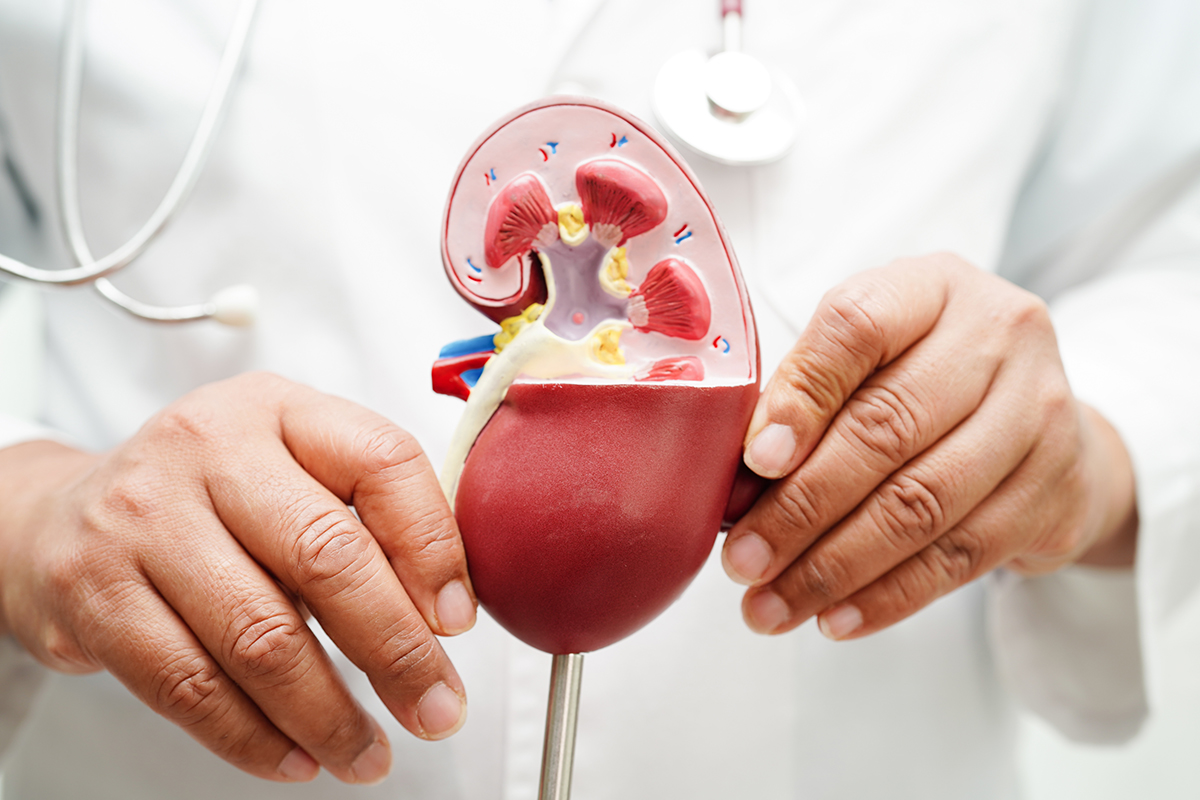
Supporting Kidney Health Through Everyday Choices
Maintaining kidney health often comes down to consistent, manageable lifestyle habits. Simple adjustments such as ensuring adequate daily hydration, choosing fresh foods over heavily processed options, and being mindful of sodium intake can help support the kidneys’ natural functions.
However, while these steps can support overall well-being, they are not a substitute for medical evaluation by a specialist. Chronic kidney disease can progress gradually, and early stages may not always be obvious. If you notice possible CKD symptoms or have concerns about your kidney health, seeking an assessment can help provide clarity and guide appropriate next steps.
At The Kidney Health Care Clinic, care is led by Dr Alvin Ng Kok Heong, our senior consultant nephrologist, who provides comprehensive assessment and personalised management for a wide range of kidney conditions, including chronic kidney disease. Dr Alvin takes a patient-centred approach, focusing on early detection, clear guidance and tailored treatment plans to support long-term kidney health.
Contact us today to arrange a consultation and take a proactive step towards protecting your kidney health.
Meet Our Kidney Specialist in Singapore
Dr Alvin Ng Kok Heong
Senior Consultant Nephrologist
MBChB (Auckland), FRACP (Aus), FAMS (Renal Medicine)
Dr Alvin Ng is a nephrologist and kidney specialist in Singapore with more than 20 years of experience. He specialises in managing a wide range of kidney conditions and is dedicated to providing comprehensive, personalised and evidence-based care for patients with kidney disease.
Dr Ng obtained his Bachelor of Medicine and Surgery from the University of Auckland in 2002 and completed his nephrology training in New Zealand. He was admitted as a Fellow of the Royal Australasian College of Physicians in 2010. Prior to private practice, he served as a Consultant Nephrologist at North Shore Hospital, Auckland, from 2010 before joining the Department of Renal Medicine at Changi General Hospital (CGH) in 2012.
Throughout his career in public healthcare, Dr Alvin Ng held several leadership positions within the nephrology community and received numerous awards in recognition of his service and dedication as a kidney specialist.


