Dr Alvin Ng
Senior Consultant Nephrologist
- Bachelor of Medicine and Surgery (Auckland, New Zealand)
- Fellow of the Royal Australasian College of Physicians
- Fellow of the Academy of Medicine, Singapore (Renal Medicine)

Dr Alvin Ng
Senior Consultant Nephrologist
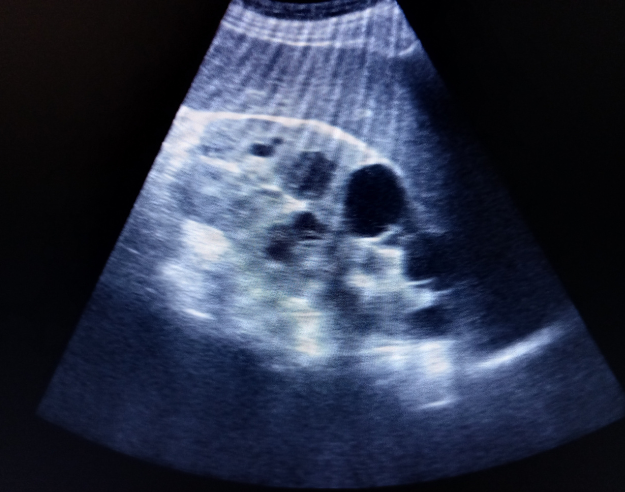
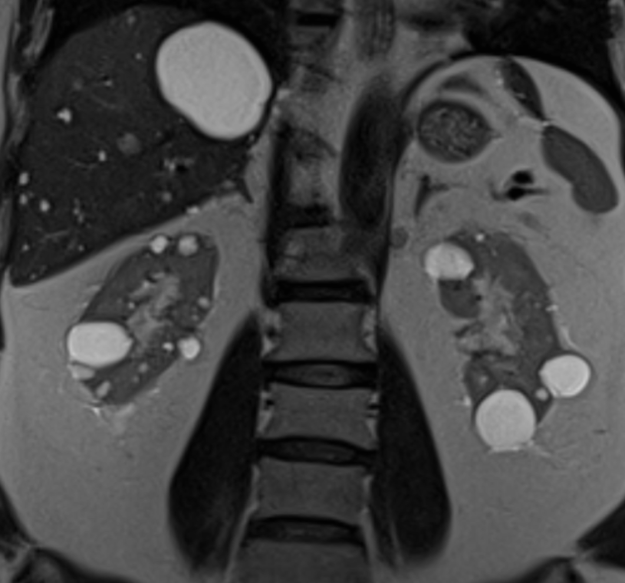
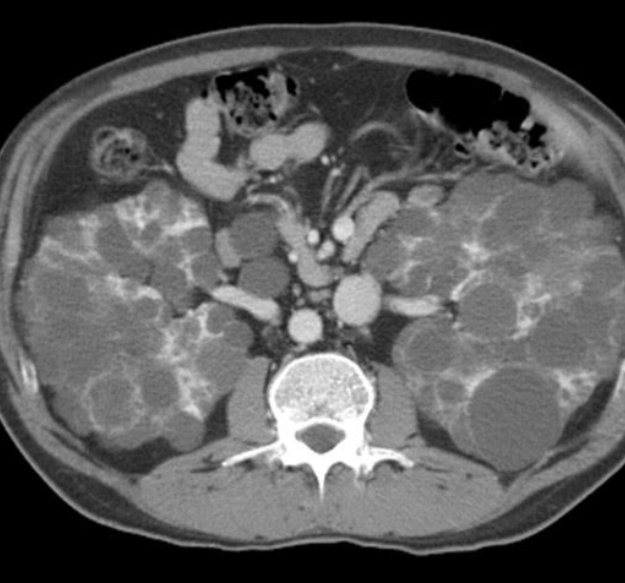
Kidney cysts result from genetic or non-genetic processes. It can occur and affect children and in adults. It is usually diagnosed when a person goes for an ultrasound scan, CT scan or MRI scan of the abdomen. Kidney cysts can be divided to simple kidney cysts or complex kidney cysts. There is another condition where the kidney is filled with multiple kidney cysts which will be covered under cystic kidney disease.
The most common cause of these cysts are radiologically evident kidney cysts in adults are simple kidney cysts.
These cysts are fairly common and usually affect older individuals. They don’t tend to enlarge or disrupt the kidneys. In rare cases, cysts can be malignant (cancerous) and lead to kidney cancer.
Complex renal cysts can have a thicker wall, or solid material inside instead of just fluid. Once complex renal cysts are discovered, additional imaging tests may be performed to monitor them and distinguish benign cysts from cancer.
If it is a simple cyst, generally treatment is not necessary. However if the cyst is large and disrupts the normal flow of urine or causes symptoms, it should be removed usually by a radiological intervention. Complex cysts are followed up closely with repeated scans and if there is a suspicion of cancer, it should be removed.
Cystic kidney disease is a condition where multiple cysts form in or around the kidneys. It is divided to genetic and non-genetic cause. Under the genetic cause, the cysts are formed due to mutations or changes to certain genes that are inherited from their parents. These genes can possibly pass to the next generation. For the other group of patients, their kidney cysts develop during their lifetime, or may be present at birth.
There are several types of cystic kidney disease. Some are the result of mutations (changes) to certain genes that are usually inherited (passed from parents to children). Others may develop during a person’s lifetime, or they might be congenital (present at birth). Cysts can also appear in the kidney later in life.

The most common form of inheritable kidney disease and usually diagnosed between ages 30 and 50.

The cysts grow in the space near the urinary tract. It's very uncommon but can affect infants or adults.

MCKD causes cysts to develop in the corticomedullary (inner) part of the kidneys.

A very rare condition, which affects infants, children and teenagers. It usually leads to kidney failure before adulthood.

These cysts develop over time due to chronic kidney disease or kidney failure. It affects both adults and children who are on dialysis.

Cysts form on the innermost part of the kidneys. They block the tubes that filter urine. It's rare.

This condition occurs when the kidneys do not develop correctly in the womb. This leads to cysts replacing this normal kidney tissue.

Cystic kidney disease signs and symptoms may include:
Cysts can grow in size and numbers over time, it is usually associated with deteriorating function as the cysts repace the normal kidney tissues, especially the genetic. Treatment would involve controlling blood pressure, prevention of cardiovascular events and treating immediate complications of kidney cysts, for example infected cysts, and burst cysts. If the patient’s kidney function deteriorates to end-stage kidney failure, they will be started on dialysis or undergo kidney transplantation. In recent times, there is treatment available to slow the growth of these kidney cysts especially for patients suffering from polycystic kidney disease.
Please consult our kidney specialist to discuss further about your condition.
Reach out to us for a consultation with Dr Alvin Ng.

English, Cantonese, Bahasa Indonesian, Bahasa Melayu, Hokkien
Dr Alvin Ng is a senior consultant nephrologist with over two decades of experience in kidney care. Prior to setting up his own practice, Dr Ng was the Director of Peritoneal Dialysis at Changi General Hospital and an executive committee member of the Singapore Society of Nephrology. He has held teaching appointments for medical students and residents; and is also a recipient of various service awards – a testament to the quality of care he provides.
Kidney Conditions
Kidney Treatments

Tel: +65 6970 0020


Monday to Fridays: 9:00am to 12:30pm 2:00pm to 5:00pm Saturdays: 9:00am to 12:00pm
© Copyright 2026 Kidney Health Care Clinic. All rights Reserved