

Dr Alvin Ng
Senior Consultant Nephrologist
- Bachelor of Medicine and Surgery (Auckland, New Zealand)
- Fellow of the Royal Australasian College of Physicians
- Fellow of the Academy of Medicine, Singapore (Renal Medicine)
Why Is Dialysis Crucial?
Kidney dialysis is a treatment that helps take over the essential functions of the kidneys when they are no longer able to do so effectively. Without some form of dialysis to filter waste products, remove excess fluids and maintain electrolytes in the body, total kidney failure is always fatal.
By making use of methods such as hemodialysis and peritoneal dialysis, toxins and fluids can be removed from the bloodstream before they build up to dangerous levels within the heart, lungs and other vital organs.
There are different types of dialysis available. Peritoneal dialysis is one potential option, which uses the lining of the abdomen to filter waste within the body. However, the most common approach for managing kidney failure is hemodialysis.
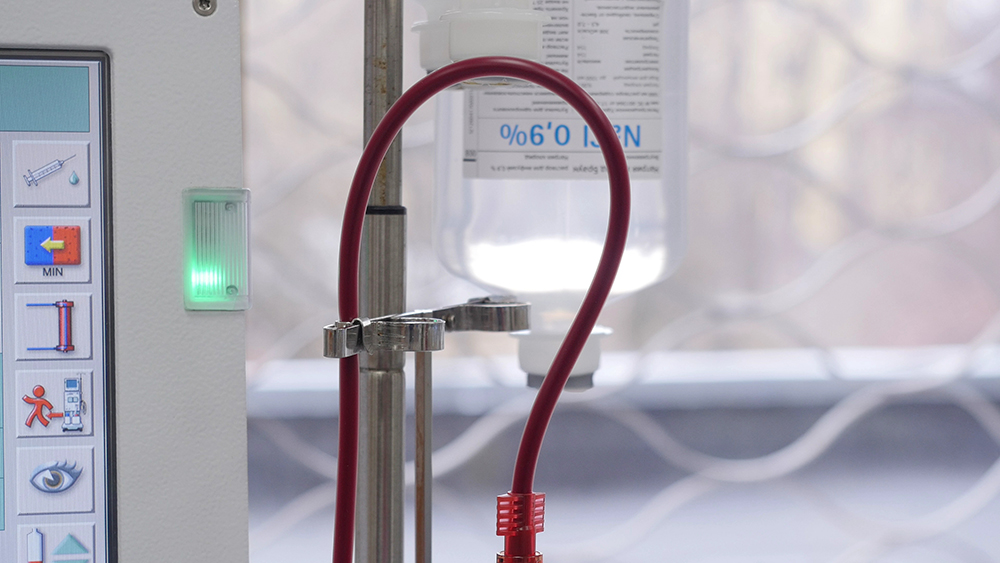
Hemodialysis makes use of a machine to artificially clean the blood before returning it to the body. There are several approaches that a patient can take in order to pursue this technique safely and effectively. These approaches are non-exhaustive, and patients may be able to change their hemodialysis methods depending on comfort, preference and recommendations from their renal specialist.
Inpatient Hemodialysis
Inpatient hemodialysis is performed in a hospital setting for patients who are admitted due to acute illness or complications related to kidney failure. This approach is typically temporary and closely monitored by a medical team.
It may be required in situations where patients are medically unstable, require urgent dialysis or need additional care for other health conditions. Treatment schedules and duration are tailored based on the patient’s condition and response to therapy.
Once the patient’s condition stabilises, they are usually transitioned to a long-term dialysis plan, such as in-centre or home hemodialysis.
In-Centre Hemodialysis
In-centre hemodialysis is the most commonly used approach for managing kidney failure. This treatment is carried out at a dialysis centre under the supervision of trained healthcare professionals.
Patients typically attend sessions three times a week, with each session lasting about 4 hours. During treatment, a patient’s veins are connected to a dialysis machine that filters out waste products and excess fluids from the bloodstream.
This approach is often recommended for individuals who prefer close medical supervision or who may not be suitable candidates for home-based dialysis. While it requires a fixed schedule and regular travel to a dialysis centre, it offers reassurance through continuous monitoring and professional support.
Home Hemodialysis
For patients who do not want to make the constant commitment of travelling to dialysis centres, home hemodialysis is a flexible option. Dialysis sessions can be scheduled around one’s own daily routines.
In order to carry out home hemodialysis, patients and their caregivers must first undergo training to learn how to safely operate the dialysis machine and monitor the treatment process.
Home hemodialysis may be suitable for individuals who prefer greater independence and control over their treatment.
Nocturnal Home Hemodialysis
Nocturnal home hemodialysis is a form of home dialysis that is performed overnight while the patient sleeps. These sessions are typically longer and carried out at a slower rate, allowing for more gradual removal of waste and fluids.
It is believed that due to the extended treatment time, nocturnal dialysis may more closely mimic natural kidney function. Some patients report improved energy levels, better fluid control and fewer dietary restrictions.
This approach may be recommended for patients who have become comfortable managing dialysis at home and are confident that they are able to commit to overnight treatments with the necessary support and training. It may even be possible for a patient to carry out this approach without caregiver assistance.
How Do I Prepare for Hemodialysis?
Preparing for hemodialysis involves both physical and mental readiness, as well as a clear understanding of what to expect during treatment.
Vascular Access
Hemodialysis requires constant access to your bloodstream. As such, your doctor will need to create a vascular access point that can be repeatedly connected to the dialysis machine. The most commonly recommended option is an arteriovenous fistula, which is created by connecting an artery to a vein, usually in the arm. This access point needs time to heal and mature before it can be used.
Mental and Emotional Preparation
Adjusting to dialysis can take time. It is normal to feel uncertain or anxious about starting treatment. Speaking with your care team, learning more about the process and connecting with others who are undergoing dialysis can help you feel more prepared and supported.
Pre-Treatment Briefing and Long-Term Planning
Your healthcare team will guide you through what to expect, including how the procedure works, how long sessions will take and any lifestyle adjustments that may be needed. This may include dietary advice, fluid management and scheduling treatments around your daily routine. This briefing period is a key opportunity for you to clarify any doubts with your doctor. Having a clear plan can help you feel more confident and in control as you begin dialysis.

Taking the Next Step in Your Dialysis Journey
Starting hemodialysis is a significant step for your long-term health and quality of life. Understanding the various approaches available can help you make preparations and guide you in making informed decisions that align with your medical needs and lifestyle.
With the right support from caregivers and their healthcare teams, many patients are able to adapt to dialysis and continue leading active, meaningful lives after experiencing kidney failure. If you have been advised to start dialysis or are exploring your options, speaking with a kidney specialist can help you determine the most suitable approach and guide you through the next steps.
At The Kidney Health Care Clinic, we are passionate about helping and providing extraordinary, personal and individualised care. Treatment is led by Dr Alvin Ng, our senior consultant nephrologist, who works closely with each patient to develop a dialysis plan tailored to their specific medical needs, lifestyle and long-term goals.
Contact us today for an assessment and take the next step towards managing your kidney health with confidence.
Meet Our Kidney Specialist in Singapore
Dr Alvin Ng Kok Heong
Senior Consultant Nephrologist
MBChB (Auckland), FRACP (Aus), FAMS (Renal Medicine)
Dr Alvin Ng is a nephrologist and kidney specialist in Singapore with more than 20 years of experience. He specialises in managing a wide range of kidney conditions and is dedicated to providing comprehensive, personalised and evidence-based care for patients with kidney disease.
Dr Ng obtained his Bachelor of Medicine and Surgery from the University of Auckland in 2002 and completed his nephrology training in New Zealand. He was admitted as a Fellow of the Royal Australasian College of Physicians in 2010. Prior to private practice, he served as a Consultant Nephrologist at North Shore Hospital, Auckland, from 2010 before joining the Department of Renal Medicine at Changi General Hospital (CGH) in 2012.
Throughout his career in public healthcare, Dr Alvin Ng held several leadership positions within the nephrology community and received numerous awards in recognition of his service and dedication as a kidney specialist.


