



Dr Alvin Ng
Senior Consultant Nephrologist & Medical Director MBChB (Auckland), FRACP (Aus), FAMS (Renal Medicine)
Kidney dialysis treatment is a life-sustaining therapy for individuals with advanced chronic kidney disease (CKD) or kidney failure. Among the different types of dialysis, haemodialysis is a commonly used method in Singapore and globally. It helps perform the essential functions of the kidneys when they are no longer able to filter waste and excess fluid from the body effectively.
What Is Haemodialysis?
Haemodialysis is a form of kidney failure treatment that uses a specialised machine to filter waste products, excess fluids, and toxins from the blood. This process helps restore balance in the body when the kidneys can no longer function adequately.
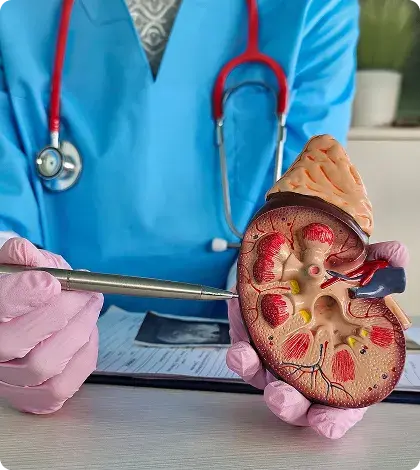
In healthy kidneys, tiny filtering units called glomeruli continuously clean the blood. When kidney function declines in conditions such as chronic kidney disease, these waste products accumulate, leading to symptoms like fatigue, swelling, and breathlessness. Haemodialysis helps take over this filtering role.
Who Needs Haemodialysis?
Haemodialysis may be recommended for people whose kidneys are no longer able to remove waste, toxins, and excess fluid effectively. This may include patients with:
 Advanced chronic kidney disease (CKD) End-stage kidney disease (ESKD) or kidney failure Acute kidney injury (AKI), where dialysis may be temporary Severe symptoms caused by kidney failure, such as swelling, fatigue, nausea, or shortness of breath
 Some patients may also undergo haemodialysis while waiting for a kidney transplant.



How is Haemodialysis Performed?
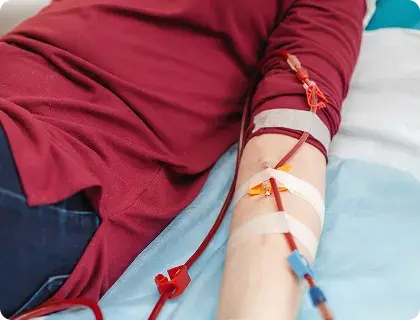
Haemodialysis is performed using a dialysis machine that removes waste products, excess fluids, and toxins from the blood when the kidneys are no longer functioning effectively. The kidney dialysis treatment is usually carried out in a hospital or dialysis centre under medical supervision. Each session typically lasts around 3 to 5 hours and is commonly performed 3 times per week.
Preparing Vascular Access
Before treatment begins, access to the bloodstream is required. This is usually through:
An arteriovenous (AV) fistula or AV graft
A catheter inserted into a large vein
The healthcare team checks the access site before each session to ensure it is functioning properly and free from infection.
Filtering the Blood
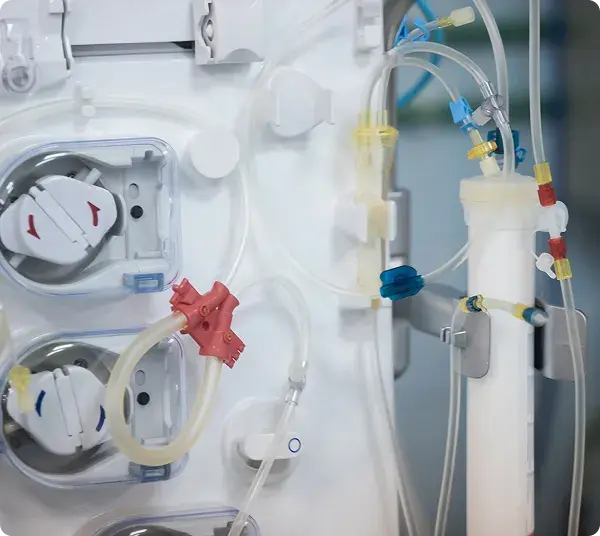
Inside the machine, the blood passes through a dialyser, also known as an artificial kidney. The dialyser helps:
Remove waste products and toxins
Filter excess fluids
Balance electrolyte levels such as sodium and potassium
A special dialysis fluid helps draw unwanted substances out of the blood through a filtering membrane while keeping blood cells and proteins intact.
Connecting to the Dialysis Machine
Needles or a catheter are connected to tubing attached to the haemodialysis machine. Blood is then slowly drawn from the body and circulated through the machine for filtration.
Returning Clean Blood to the Body
After filtration, the cleaned blood is returned safely to the body through the access site. This cycle continues throughout the treatment session.
Monitoring During Kidney Dialysis Treatment
During dialysis, healthcare staff monitor the patient's blood pressure, heart rate, fluid removal, and overall condition to ensure the treatment remains safe and effective. After the session is completed, the needles or tubing are removed, and most patients can return home the same day.
What are the Benefits of Haemodialysis?
Haemodialysis helps support patients whose kidneys are no longer able to function effectively. While it does not cure kidney disease, it plays an important role in managing kidney failure and improving quality of life.
Removes Waste and Excess Fluid
Haemodialysis helps remove waste products, toxins, and excess fluid from the blood, helping prevent dangerous build-up in the body.
Helps Balance Important Minerals
The kidney dialysis treatment helps regulate electrolyte levels such as potassium and sodium, which are important for heart, muscle, and nerve function.
Relieves Symptoms of Kidney Failure
By improving blood filtration, haemodialysis may help reduce symptoms such as:
Fatigue
Nausea
Swelling
Shortness of breath
Poor appetite
Supports Long-Term Health
For patients with severe kidney disease or kidney failure, haemodialysis is a life-sustaining treatment that can help patients remain stable while managing their condition or waiting for a kidney transplant.
What to Expect During Haemodialysis
Haemodialysis is a structured kidney dialysis treatment that may feel unfamiliar at first, but most patients gradually become comfortable with the routine. Knowing what happens during each session can help reduce anxiety and improve preparedness.
Before the Session
Before haemodialysis begins, a healthcare professional will:
- Check your blood pressure, weight, and vital signs
- Examine your vascular access (fistula, graft, or catheter)
- Clean the access site to reduce infection risk
- Set up the dialysis machine according to your treatment plan
Your weight is especially important, as it helps determine how much excess fluid needs to be removed during the session.
During the Treatment
Once the session begins, needles or a catheter are connected to the haemodialysis machine. Blood is circulated through the machine, where waste products and excess fluids are filtered out before the cleaned blood is returned to the body. A typical haemodialysis session lasts around 3 to 5 hours, depending on the patient's individual treatment needs.
Throughout the haemodialysis, medical staff closely monitor your blood pressure, heart rate, fluid removal, and the dialysis machine's safety settings. They will also check for any symptoms or discomfort during treatment and make adjustments if needed to help ensure the procedure remains safe and comfortable.
Some patients may experience mild side effects such as tiredness, slight dizziness, muscle cramps, or feeling cold during treatment. These effects are usually temporary and can often be managed during the session.
After the Session
Once dialysis is completed, the needles are removed and the access site is cleaned and dressed. Your blood pressure and overall condition may be checked again, and your weight may be measured to assess how much fluid was removed during treatment.
Some patients feel less bloated or experience easier breathing after dialysis due to reduced fluid build-up. It is also common to feel tired or fatigued after the session, especially during the early stages of treatment.
Possible Side Effects and Risks of Haemodialysis
Haemodialysis is generally a safe and well-monitored treatment, but some patients may experience mild side effects during or after a session. Common side effects may include:
Tiredness or fatigue Low blood pressure Muscle cramps Headaches or dizziness Nausea There is also a small risk of infection or problems with the dialysis access site. Medical staff closely monitor patients during treatment to help manage side effects and reduce the risk of complications. Patients should inform their healthcare team if they experience persistent symptoms or feel unwell during or after dialysis sessions.

Haemodialysis vs. Peritoneal Dialysis: What's the Difference
Haemodialysis
Blood is filtered outside the body using a haemodialysis machine and an artificial filter (dialyser).
Peritoneal Dialysis
Blood is filtered inside the body using the peritoneum (abdominal lining) as a natural filter.
Haemodialysis
Blood is drawn out of the body, cleaned through a machine, then returned to the body.
Peritoneal Dialysis
Dialysis fluid is placed into the abdomen, where it absorbs waste and excess fluid, then drained out.
Haemodialysis
Usually done in a hospital or dialysis centre under medical supervision.
Peritoneal Dialysis
Can be done at home, work, or other clean environments by the patient or caregiver.
Haemodialysis
Typically 3 times a week, about 3-5 hours per session.
Peritoneal Dialysis
Usually done daily, either manually throughout the day or overnight using a machine.
Haemodialysis
Dialysis machine, dialyser, needles or vascular access tubing.
Peritoneal Dialysis
Catheter in the abdomen, sterile dialysis fluid bags, drainage system.
Haemodialysis
Less flexible due to a fixed clinic schedule.
Peritoneal Dialysis
More flexible with greater independence and home-based care.
Haemodialysis
More strict restrictions on potassium, phosphorus, sodium, and fluids.
Peritoneal Dialysis
Generally more flexible diet, though still medically guided.
Haemodialysis
Low blood pressure, muscle cramps, fatigue, infection at access site.
Peritoneal Dialysis
Peritonitis (abdominal infection), catheter infections, hernia risk.
Haemodialysis
Patients who need closer medical monitoring or prefer clinic-based treatment.
Peritoneal Dialysis
Patients who prefer independence and home-based treatment.
Both haemodialysis and peritoneal dialysis are effective treatments for kidney failure. The choice depends on a patient’s medical condition, lifestyle needs, and personal preference, and is determined with guidance from a kidney specialist.
When to Seek Medical Advice
You should seek medical advice if you notice symptoms that may suggest kidney problems, especially if they persist or worsen over time. Common signs to look out for include:
People with conditions such as diabetes, high blood pressure, heart disease, or a family history of kidney disease should also undergo regular kidney screening, as they may have a higher risk of developing CKD. Seek urgent medical attention if you experience:
 Changes in urination, such as blood in the urine or foamy urine Swelling in the legs, ankles, face, or around the eyes Persistent fatigue or weakness Shortness of breath Nausea or loss of appetite
  Severe swelling Breathing difficulties Confusion Sudden decrease in urine output
 Early diagnosis and treatment can help slow the progression of kidney disease and reduce the risk of complications.
Personalised Haemodialysis Treatment with Dr Alvin Ng
At The Kidney Health Care Clinic, we understand that adjusting to haemodialysis and kidney disease treatment can be challenging. With early diagnosis, proper management, and ongoing medical support, many patients are able to maintain a good quality of life while managing their condition.
Led by Dr Alvin Ng, our clinic provides personalised care for patients with chronic kidney disease, kidney failure, and dialysis-related conditions. We focus on evidence-based treatment plans tailored to each patient's medical needs and lifestyle, from kidney health screening and CKD management to dialysis guidance and long-term renal care.
If you are experiencing symptoms of kidney disease or have been advised to start haemodialysis, schedule a consultation with Dr Alvin Ng today. Early treatment can help protect your kidney health and reduce the risk of complications.
Frequently Asked Questions About Haemodialysis
Most people do not feel pain from the treatment itself, but some may feel sore or uncomfortable around the vascular access site after repeated use. Mild bruising can also occur, especially in the early stages of treatment.
Some patients notice improvements such as reduced swelling or easier breathing after a few sessions. However, it can take a few weeks to a few months for the body to adjust fully to the treatment schedule.
In most cases of long-term kidney failure, haemodialysis is a lifelong treatment unless a kidney transplant is performed. It cannot usually be stopped once kidney function has significantly declined.
No. Fluid intake usually needs to be controlled because the kidneys can no longer remove excess water effectively. Drinking too much fluid can lead to swelling, high blood pressure, or breathing difficulties.
You can still eat a variety of foods, but diet usually needs adjustments. Many patients work with diet guidance to manage nutrients like salt, potassium, phosphorus, and protein safely.
Our Haemodialysis (Kidney Dialysis) Specialist

Dr Alvin Ng 黄国雄医生
Senior Consultant Nephrologist and Medical Director
MBChB (Auckland), FRACP (Aus), FAMS (Renal Medicine)
Dr Alvin Ng is a senior consultant nephrologist with over two decades of experience in kidney care, including haemodialysis. Prior to setting up his own practice, Dr Ng was the Director of Peritoneal Dialysis at Changi General Hospital and an executive committee member of the Singapore Society of Nephrology. He has held teaching appointments for medical students and residents; and is also a recipient of various service awards - a testament to the quality of care he provides.
Get in Touch with Us Today
We’re here to support you with clear guidance and personalised care for your kidney health. Whether you have questions or need professional advice, our team is ready to assist.

Book a Consultation with Our Singapore Kidney Specialist
Share your details with us and let us know how we can help. Our team will get in touch to arrange your appointment at a time that works best for you.