



Blood in Urine (Haematuria) Treatment in Singapore

Dr Alvin Ng
Senior Consultant Nephrologist & Medical Director MBChB (Auckland), FRACP (Aus), FAMS (Renal Medicine)
Seeing blood in your urine, also known as haematuria, can be worrying. While it may sometimes be caused by a minor infection or irritation, it can also be a sign of conditions affecting the kidneys, bladder, or urinary tract. Haematuria may appear as pink, red, or brown urine, and it can occur with or without pain. Even if it happens only once, Blood in urine should not be ignored, as the underlying cause is not always obvious. Early medical evaluation can help identify potential urinary or kidney conditions before complications develop.
What Is Haematuria?
Haematuria is the medical term for Blood in urine. It may appear as pink, red, or brown urine, and can occur with or without pain. Haematuria is a symptom rather than a condition itself, and may be associated with conditions such as urinary tract infections, kidney stones, enlarged prostate, kidney disease, or cancers affecting the urinary tract.
While some cases may be caused by temporary or minor conditions, Blood in urine should not be ignored, even if it occurs only once.

What Are the Types of Haematuria (Blood in Urine)?
Haematuria is generally classified into two main types: gross haematuria and microscopic haematuria. The difference lies in whether the blood is visible in the urine.
Gross haematuria
Gross haematuria refers to Blood in urine that is visible to the naked eye. The urine may appear pink, red, reddish-brown, or tea-coloured. This type of haematuria is often more noticeable and may occur with symptoms such as pain during urination, abdominal discomfort, or changes in urinary frequency.
Microscopic haematuria
Microscopic haematuria occurs when red blood cells are present in the urine but cannot be seen without laboratory testing. The urine may appear normal, and the condition is often detected during routine urine tests or health screening. Although it may not cause symptoms, microscopic haematuria can still indicate underlying conditions affecting the kidneys or urinary tract.



What Are the Signs and Symptoms of Haematuria?
Haematuria may occur on its own or together with other urinary symptoms, depending on the underlying cause. In some cases, the urine may appear pink, red, or brown, while microscopic haematuria may only be detected through a urine test.
Other symptoms that may occur together with haematuria include:


Pain or Burning Sensation During Urination
A burning or stinging sensation while passing urine may be associated with urinary tract infections or irritation within the urinary tract.
Frequent or Urgent Urination
Some individuals may feel the need to urinate more often than usual or experience a sudden urge to urinate that is difficult to delay. These symptoms may be associated with urinary tract infections, bladder irritation, or inflammation within the urinary system.
Lower Abdominal Pain or Pressure
Discomfort or pressure in the lower abdomen may be related to bladder or urinary tract conditions.
Flank or Back Pain
Pain along the sides or lower back may suggest involvement of the kidneys or upper urinary tract, such as kidney stones or kidney infections.
Blood in Semen
Some men may experience blood in the semen together with haematuria, which may be related to prostate or urinary tract conditions.
Fatigue or Weakness
Tiredness or low energy levels may occur if haematuria is associated with infection, kidney disease, or ongoing blood loss.
What Are the Causes of Blood in Urine?
Blood in urine can occur due to conditions affecting the kidneys, bladder, prostate, or urinary tract. Some causes are temporary or minor, while others may require prompt medical evaluation.
Possible causes of haematuria include:
Urinary Tract Infections (UTIs)
Infections affecting the bladder, kidneys, or urinary tract can cause inflammation and irritation, leading to Blood in urine. UTIs may also cause burning during urination, urinary frequency, or pelvic discomfort.
Kidney Stones
Kidney stones may irritate the urinary tract as they move, resulting in bleeding. This is often associated with severe back or flank pain.
Kidney Inflammation or Infection
Inflammation or infection involving the kidneys may cause haematuria together with fever, flank pain, or urinary symptoms.
Bladder or Prostate Conditions
Inflammation, infection, or enlargement of the prostate or bladder may lead to Blood in urine, particularly in men. Some individuals may also experience difficulty urinating or urinary discomfort.
Certain Medications
Some medications, including blood thinners, may increase the risk of bleeding within the urinary tract.
Cancer
Blood in urine can sometimes be associated with bladder, kidney, or prostate cancer, especially in older adults or smokers.
Other conditions
Other possible causes include glomerulonephritis, inherited blood disorders such as sickle cell anaemia, trauma to the urinary tract, or vascular abnormalities.
Who Is at Risk of Haematuria and When Should You See a Specialist?
Haematuria can affect anyone, but certain individuals may have a higher risk due to age, lifestyle factors, medical history, or underlying health conditions.
Older Adults
The risk of haematuria increases with age due to a higher likelihood of urinary tract conditions, enlarged prostate, kidney disease, or cancers affecting the urinary system.
Smokers
Smoking can damage the urinary tract and increase the risk of bladder and kidney cancers, both of which may cause Blood in urine.
Individuals with Recurrent UTIs
Repeated urinary tract infections may increase the risk of haematuria due to ongoing inflammation or irritation within the urinary tract.
Athletes in Endurance Sports
Long-distance running and other high-intensity endurance activities may occasionally cause temporary haematuria due to dehydration or repeated stress on the urinary tract.
Family History of Kidney Disease
Inherited kidney conditions, such as polycystic kidney disease, may increase the likelihood of haematuria and other urinary abnormalities.
You should seek medical evaluation if Blood in urine persists, recurs, occurs together with pain or urinary symptoms, or is associated with risk factors such as smoking or a family history of kidney disease.
How Is Haematuria (Blood In Urine) Diagnosed?
Diagnosing haematuria involves identifying the source of bleeding and determining whether there is an underlying condition affecting the kidneys or urinary tract. This usually involves a combination of medical assessment, urine tests, blood tests, and imaging studies.

Medical History and Physical Examination
Your doctor may ask about urinary symptoms, pain, recent infections, medications, exercise habits, or any history of kidney or urinary tract conditions. A physical examination may also be performed to check for signs of kidney or bladder involvement.

Blood Tests
These evaluate kidney function and detect possible causes such as glomerulonephritis or systemic disease. Tests may include creatinine and urea levels to assess how well the kidneys are filtering waste.

Cystoscopy
A thin tube with a camera is inserted through the urethra to examine the bladder and urinary tract. This may help identify inflammation, stones, tumours, or other abnormalities.
Imaging Studies
Imaging tests help assess the kidneys, bladder, and urinary tract for structural abnormalities.
Ultrasound
Uses sound waves to detect stones, swelling, cysts, or other structural changes in the urinary system.
CT Urogram
Provides detailed images of the urinary tract and may help identify stones, tumours, or other abnormalities.
MRI Scan (Magnetic Resonance Imaging)
Uses magnetic fields to produce detailed images of soft tissues within the urinary system.
Urine Tests
Urine tests help confirm the presence of Blood in urine and identify possible underlying causes.
Urinalysis
Checks for red blood cells, protein, and signs of infection or inflammation in the urine.
Urine Culture
Identifies bacterial infections in the urinary tract and helps guide antibiotic treatment if needed.
Urine Cytology
Examines urine samples for abnormal cells that may be associated with bladder or urinary tract cancers.
What Are the Treatment Options for Haematuria (Blood in Urine)?
Treatment for haematuria depends on the underlying cause. Once the cause has been identified through medical evaluation, treatment is tailored to address the specific condition affecting the urinary tract or kidneys.
Possible treatment options may include:
Antibiotics
If haematuria is caused by a urinary tract infection, antibiotics may be prescribed to treat the infection and reduce inflammation within the urinary tract.
Medications
Medications may be used to manage conditions such as enlarged prostate, kidney inflammation, or bleeding related to certain medications. In some cases, adjustments to existing medications may also be recommended.
Surgery
If haematuria is caused by kidney stones, tumours, or structural abnormalities within the urinary tract, surgical treatment or specialised procedures may be required.
Cancer Treatment
If haematuria is associated with bladder, kidney, or prostate cancer, treatment may involve surgery, chemotherapy, radiation therapy, or a combination of these approaches.
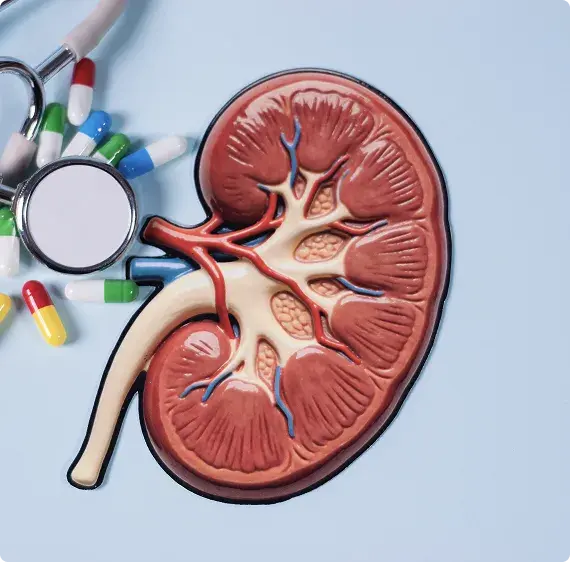
Early treatment for haematuria (blood in urine) can help manage symptoms, reduce complications, and address underlying urinary or kidney conditions appropriately.
Lifestyle Tips to Help Manage Haematuria
Lifestyle habits may help support urinary and kidney health, particularly in individuals with recurrent urinary symptoms or underlying urinary tract conditions.

Stay Hydrated
Drinking enough water helps maintain healthy urinary flow, dilute urine, and reduce irritation within the urinary tract. Good hydration may also help lower the risk of urinary tract infections and kidney stone formation.
Healthy Diet
A balanced diet may help support kidney function and reduce the risk of conditions such as diabetes and high blood pressure, which can affect urinary and kidney health.
Maintain Good Urinary Hygiene
Good urinary hygiene may help reduce the risk of infections that can contribute to haematuria or blood in urine. This includes maintaining regular genital hygiene, urinating after sexual activity, and wiping from front to back after using the toilet.
Manage Chronic Conditions
Proper management of chronic conditions such as diabetes, high blood pressure, and kidney disease may help reduce complications affecting the urinary system.
Avoid Smoking
Smoking can irritate the urinary tract and increase the risk of bladder and kidney cancers. Quitting smoking also supports overall kidney and cardiovascular health.
Avoid Excessive Physical Strain
High-intensity endurance exercise may sometimes contribute to temporary haematuria. Staying hydrated, allowing adequate recovery, and gradually increasing exercise intensity may help reduce this risk.
Personalised Haematuria Care with Dr Alvin Ng
Blood in urine should never be ignored, even if it occurs only once or without pain. Early medical evaluation can help identify whether haematuria is linked to a minor condition, infection, kidney disease, or a more serious urinary tract problem requiring treatment.
At The Kidney Health Care Clinic, Dr Alvin Ng provides thorough assessment and personalised care for patients experiencing haematuria and other urinary symptoms. Our clinic offers detailed evaluation of kidney and urinary tract conditions, including kidney disease, urinary infections, and related disorders, with treatment plans tailored to each patient's needs.
If you notice blood in your urine or are experiencing urinary symptoms such as pain, frequency, or flank discomfort, schedule a consultation with Dr Alvin Ng for a comprehensive evaluation.

Frequently Asked Questions About Haematuria (Blood in Urine)
No. Some people have microscopic haematuria, where blood is only detected through a urine test and the urine appears normal to the naked eye.
Severe dehydration, particularly during intense exercise, may sometimes contribute to temporary haematuria. However, persistent or recurrent Blood in urine should still be medically evaluated.
Yes. High-intensity or long-distance exercise, especially endurance sports such as running, may occasionally lead to temporary haematuria.
No. Many cases are caused by infections, kidney stones, or other non-cancerous conditions. However, medical evaluation is important to rule out more serious causes.
In some cases, haematuria may resolve without treatment, particularly if caused by temporary irritation or exercise. However, recurring or persistent haematuria should still be assessed by a doctor.
No. Certain foods, medications, or dyes may sometimes cause urine to appear red or brown without actual blood being present. This is sometimes referred to as pseudohaematuria.
Our Haematuria Specialist in Singapore

Dr Alvin Ng 黄国雄医生
Senior Consultant Nephrologist and Medical Director
MBChB (Auckland), FRACP (Aus), FAMS (Renal Medicine)
Dr Alvin Ng is a senior consultant nephrologist with over two decades of experience in kidney care, including haematuria. Prior to setting up his own practice, Dr Ng was the Director of Peritoneal Dialysis at Changi General Hospital and an executive committee member of the Singapore Society of Nephrology. He has held teaching appointments for medical students and residents; and is also a recipient of various service awards – a testament to the quality of care he provides.
Get in Touch with Us Today
We’re here to support you with clear guidance and personalised care for your kidney health. Whether you have questions or need professional advice, our team is ready to assist.

Book a Consultation with Our Singapore Kidney Specialist
Share your details with us and let us know how we can help. Our team will get in touch to arrange your appointment at a time that works best for you.