



Acute Kidney Injury (AKI) Treatment in Singapore

Dr Alvin Ng
Senior Consultant Nephrologist & Medical Director MBChB (Auckland), FRACP (Aus), FAMS (Renal Medicine)
What Is Acute Kidney Injury (AKI)?
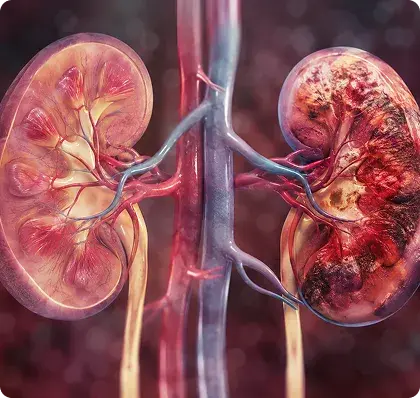
Acute kidney injury (AKI), also known as acute renal failure, occurs when the kidneys suddenly lose some or all of their ability to function. This decline is often reversible if detected and treated early.
When this happens, the kidneys are unable to eliminate waste products from the blood effectively. Their ability to maintain the right balance of fluids, salts and acidity in the body may also be affected. This imbalance can affect the normal function of other organs, including the brain, heart and lungs.
The severity of AKI can vary, from a temporary reduction in kidney function in some cases to a complete loss of kidney function in severe cases.
What Are the Symptoms of Acute Kidney Injury?
As AKI can develop rapidly, symptoms may appear suddenly and vary depending on the severity of the condition. These may include:
 Reduced urination or no urine output Fatigue Muscle weakness Breathlessness Swelling in the legs, ankles or around the eyes Confusion Nausea Seizures Coma, in severe cases
 Some patients with AKI may not experience noticeable symptoms. The condition may only be detected through blood or urine tests, especially in patients who are hospitalised, critically ill, or being treated for another medical condition.




What Causes Acute Kidney Injury?
AKI can develop for different reasons. These causes are commonly grouped into three categories:
Pre-renal AKI causes
AKI may occur when there is reduced blood flow to the kidneys that can be caused by:
Sepsis
Liver failure
Heart failure
Heart attack
Hypovolemia
Intra-renal AKI causes
AKI may also result from direct injury or damage to the kidney tissue as a result of:
Severe kidney infections
Medications such as anti-inflammatory drugs, antibiotics or proton pump inhibitors
Tumour lysis syndrome
Traumatic injuries such as blunt-force trauma or crush injuries
Rhabdomyolysis
Post-renal AKI causes
AKI may develop due to an obstruction in the urinary tract which can be caused by:
Prostate cancer
Enlarged prostate
Neurogenic bladder
Bladder or kidney stones
Bladder cancer
Renal artery thrombosis
What Are the Risk Factors of Acute Kidney Injury?
 Old age Pre-existing kidney diseases Chronic diseases such as heart failure, liver failure or diabetes Severe infection or sepsis (blood poisoning) Urinary blockage Certain medications taken in excess
 How Is Acute Kidney Injury Diagnosed?
AKI is diagnosed through a combination of blood tests, urine tests and imaging scans. These help to assess kidney function, detect abnormalities and identify any blockage or structural problems.

Blood Tests
Measure kidney function, including creatinine and blood urea nitrogen levels.

Urine Tests
Check for abnormalities such as protein, blood, infection or changes in urine concentration.
Imaging Scans
Such as ultrasound or CT scans, to identify structural problems in the kidneys or urinary tract.
What Are the Treatment Options for Acute Kidney Injury?
Treatment for AKI depends on the underlying cause and the severity of the condition. It may include:
Fluid and electrolyte management
To correct dehydration, fluid overload or electrolyte imbalances.
Medications
To control blood pressure, reduce swelling or treat infections.
Dialysis
In severe cases, to temporarily filter waste and excess fluid from the blood until kidney function recovers.

If left untreated, acute kidney injury can lead to serious and potentially life-threatening complications. These include a buildup of waste products, excess fluid, and electrolyte imbalances such as hyperkalemia, which may cause pulmonary oedema, abnormal heart rhythms, and in severe cases, respiratory failure.
With early detection and prompt treatment, AKI can often be reversed. Delayed treatment, on the other hand, may increase the risk of chronic kidney disease or permanent loss of kidney function.
What Are the Differences Between AKI and CKD?
Onset and duration
Chronic kidney disease (CKD)
CKD develops gradually over months or years. Symptoms may not be noticeable in the early stages. It is often linked to long-term conditions such as diabetes or high blood pressure. Once kidney damage occurs, it is usually irreversible, and treatment focuses on slowing disease progression.
Acute kidney injury (AKI)
AKI develops suddenly, sometimes within hours or days. It causes a rapid decline in kidney function and may be reversible if the underlying cause is identified and treated early.
Causes
Chronic kidney disease (CKD)
CKD is usually caused by conditions that damage the kidneys over time, such as diabetes, high blood pressure, glomerulonephritis or polycystic kidney disease.
Acute kidney injury (AKI)
AKI is usually caused by a sudden issue affecting the kidneys, such as reduced blood flow, direct kidney injury or blockage of urine flow. Common causes include severe infection, dehydration, kidney infections and certain medications.
Our Acute Kidney Injury Specialist

Dr Alvin Ng 黄国雄医生
Senior Consultant Nephrologist and Medical Director
MBChB (Auckland), FRACP (Aus), FAMS (Renal Medicine)
Dr Alvin Ng is a senior consultant nephrologist with over two decades of experience in kidney care, including acute kidney injury. Prior to setting up his own practice, Dr Ng was the Director of Peritoneal Dialysis at Changi General Hospital and executive committee member of the Singapore Society of Nephrology. He has held teaching appointments for medical students and residents, and is also a recipient of various service awards – a testament to the quality of care he provides.
Get in Touch with Us Today
We’re here to support you with clear guidance and personalised care for your kidney health. Whether you have questions or need professional advice, our team is ready to assist.

Book a Consultation with Our Singapore Kidney Specialist
Share your details with us and let us know how we can help. Our team will get in touch to arrange your appointment at a time that works best for you.