



Glomerulonephritis Treatment in Singapore

Dr Alvin Ng
Senior Consultant Nephrologist & Medical Director MBChB (Auckland), FRACP (Aus), FAMS (Renal Medicine)
What Is Glomerulonephritis?
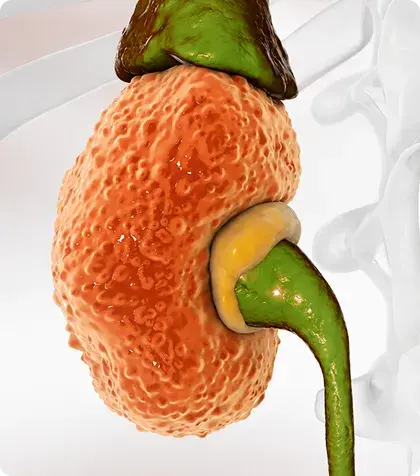
Glomerulonephritis is a condition where the glomeruli, the tiny filtering units in the kidneys, become inflamed. These filters help remove waste products and excess fluid from the blood, which are then passed out of the body through urine.
When the glomeruli are inflamed or damaged, they may not filter blood properly. This can lead to a build-up of waste products and fluid in the body, as well as other kidney-related complications.
Glomerulonephritis may develop suddenly or gradually over time. Some types, such as IgA nephropathy, mainly affect the kidneys. Others, such as lupus nephritis or ANCA vasculitis, may occur as part of a wider immune-related condition that affects other parts of the body.
If kidney inflammation is prolonged or left untreated, it can lead to permanent kidney damage. Early diagnosis and appropriate treatment are important to help protect kidney function and prevent further complications.
What Are the Different Types of Glomerulonephritis?
Glomerulonephritis can present in various ways, depending on its cause, severity and how quickly it affects kidney function. Common types include:
Acute Glomerulonephritis
A sudden and severe form that often develops after an infection, such as strep throat.
Chronic Glomerulonephritis
A long-term form of the disease that may progress gradually over time.
Rapidly progressive Glomerulonephritis
A severe form that worsens quickly and may lead to kidney failure within weeks or months.
What Are the Symptoms of Glomerulonephritis?
The symptoms of glomerulonephritis can vary depending on whether the condition is acute or chronic, as well as its underlying cause. In some chronic cases, there may be no obvious symptoms, and the condition may only be detected when a routine urine test shows abnormalities.
Common glomerulonephritis symptoms include:
 Pink or cola-coloured urine from red blood cells in your urine (hematuria) Swelling in the face, hands and feet due to fluid retention (oedema) Hypertension (high blood pressure) Bubbly or foamy urine due to excess protein in the urine (proteinuria) Urinating less than usual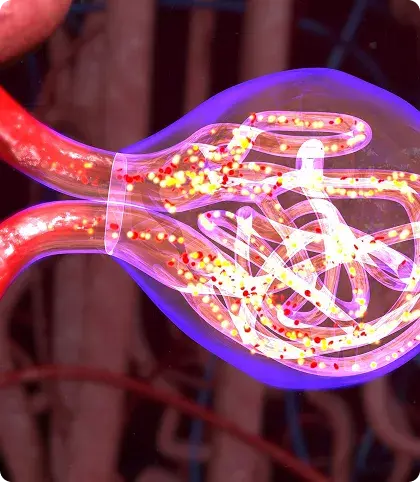
What Are the Risk Factors of Glomerulonephritis?
Several factors may increase the risk of developing glomerulonephritis. These include:
Genetics
Autoimmune disorders
Conditions such as a lupus, multiple myeloma and amyloidosis
Infections such as strep throat or pneumonia



What Causes Glomerulonephritis?
Glomerulonephritis can develop for different reasons, including immune-related conditions, infections or scarring within the kidneys. In some cases, the exact cause may not be known.
IgA nephropathy
IgA nephropathy occurs when immunoglobulin A, or IgA, builds up in the kidney’s filtering units. This can trigger inflammation in the glomeruli and affect how well the kidneys filter blood.
Focal segmental glomerulosclerosis
Focal segmental glomerulosclerosis, or FSGS, occurs when scarring develops in parts of the glomeruli. It may occur on its own or as a result of another underlying condition.
Vasculitis
Vasculitis refers to inflammation of the blood vessels. Certain types, such as polyarteritis nodosa, granulomatosis with polyangiitis and eosinophilic granulomatosis with polyangiitis, can affect the kidneys and lead to glomerulonephritis. Viral infections such as hepatitis B, hepatitis C and HIV may also be associated with glomerulonephritis.
Goodpasture's syndrome
Goodpasture's syndrome, also known as anti-GBM disease, is a rare autoimmune condition in which the immune system mistakenly attacks the kidneys and lungs. It can cause rapid kidney inflammation and may lead to permanent kidney damage if not treated promptly.
Lupus nephritis
Lupus nephritis is a kidney inflammation caused by systemic lupus erythematosus, an autoimmune condition that can affect different parts of the body, including the joints, kidneys, blood cells, heart, lungs and skin.
What Are the Treatment Options for Glomerulonephritis?
Treatment for glomerulonephritis depends on the underlying cause, the severity of kidney inflammation, and how much kidney function has been affected.
As glomerulonephritis can have many different causes, a thorough specialist assessment is important. This allows the most appropriate treatment plan to be recommended based on the patient's diagnosis, kidney function, and overall health.

Our Glomerulonephritis Specialist

Dr Alvin Ng 黄国雄医生
Senior Consultant Nephrologist and Medical Director
MBChB (Auckland), FRACP (Aus), FAMS (Renal Medicine)
Dr Alvin Ng is a senior consultant nephrologist with over two decades of experience in kidney care, including glomerulonephritis. Prior to setting up his own practice, Dr Ng was the Director of Peritoneal Dialysis at Changi General Hospital and executive committee member of the Singapore Society of Nephrology. He has held teaching appointments for medical students and residents, and is also a recipient of various service awards - a testament to the quality of care he provides.
Get in Touch with Us Today
We’re here to support you with clear guidance and personalised care for your kidney health. Whether you have questions or need professional advice, our team is ready to assist.

Book a Consultation with Our Singapore Kidney Specialist
Share your details with us and let us know how we can help. Our team will get in touch to arrange your appointment at a time that works best for you.