


Proteinuria (Protein in Urine) Treatment in Singapore

Dr Alvin Ng
Senior Consultant Nephrologist & Medical Director MBChB (Auckland), FRACP (Aus), FAMS (Renal Medicine)
You may have noticed bubbles or foam in your urine and thought little of it. It is a subtle change and one that rarely raises alarm, especially when there is no pain or discomfort. Most people would never imagine that this simple observation could be linked to changes happening within the kidneys. Proteinuria is often quiet in its early stages, revealing itself through small clues like these. As excess protein begins to appear in the urine, the kidneys may be working harder than they should, even though everything else feels completely normal.
Foamy or bubbling urine, however, is only one possible sign and not every case points to the same cause. Other conditions can create similar changes, which is why understanding what leads to proteinuria matters. Recognising these early indicators helps you make sense of what your body may be signalling. With the right awareness and timely evaluation, you can take meaningful steps to protect your kidney health before more serious problems develop.
What Is Proteinuria?
Proteinuria is a condition in which there is an abnormally high or excessive amount of protein present in the urine. Normally, the kidneys filter waste products while keeping important substances like protein in the bloodstream. However, when the kidney filters are damaged or not working properly, protein leaks into the urine instead of being retained in the body. This leak can make the urine appear frothy or bubbly. Proteinuria can be a sign of underlying kidney conditions such as chronic kidney disease, acute kidney injury, glomerulonephritis or other forms of kidney inflammation.

What Are the Signs and Symptoms of Proteinuria?
Proteinuria is often detected during a routine urine test, and it may not cause any noticeable symptoms. The early signs of proteinuria are bubbling in urine and leg swelling. However, if the kidney condition progresses to a severe form, proteinuria may cause the following symptoms:
 Foamy urine or bubbling in urine Swelling in the face, abdomen, feet or ankles More frequent urination Shortness of breath Tiredness Nausea and vomiting Muscle cramps at night



What Causes Proteinuria?
Proteinuria is an indicator of the following kidney conditions:
Kidney diseases
Diseases that affect the kidneys, such as glomerulonephritis, diabetic nephropathy, and polycystic kidney disease, can damage the kidney’s filtering system and cause proteins to leak into the urine.
Diabetes
Diabetes can damage blood vessels and nerves in the kidneys, leading to kidney damage and proteinuria.
High blood pressure
High blood pressure can damage the blood vessels in the kidneys, causing proteinuria.
Infections
Some infections, such as urinary tract infections and kidney infections, can cause proteinuria.
Autoimmune diseases
Autoimmune diseases such as lupus and Goodpasture syndrome can damage the kidneys and cause proteinuria.
Medications
Certain medications, such as nonsteroidal anti-inflammatory drugs (NSAIDs), antibiotics, and chemotherapy drugs, can cause proteinuria.
Other conditions
Other conditions such as heart failure, multiple myeloma, and preeclampsia in pregnancy can also cause proteinuria.
Bubbly urine causes significant concerns for healthcare providers, as it may be an early sign of the above kidney conditions. It is important to note that proteinuria can also be a temporary condition, caused by factors such as dehydration, exercise, and stress. However, persistent or worsening proteinuria should always be evaluated by a healthcare provider to identify the underlying cause and provide appropriate treatment.
What Factors Increase the Risk of Developing Proteinuria?
Several factors can make an individual more prone to developing proteinuria. These include:
Chronic Health Conditions
Diseases such as diabetes and high blood pressure can damage the kidney’s filtering units, making them less effective at retaining protein in the bloodstream.
Ageing
As people age, kidney function naturally declines, increasing the risk of protein leakage into the urine.
Family History
Having close relatives with kidney disease or related conditions can increase the genetic risk of developing proteinuria.
Obesity
Excess body weight contributes to high blood pressure and diabetes, both of which are major risk factors for kidney damage.
Exposure to Toxins or Heavy Metals
Prolonged exposure to lead, mercury or certain industrial chemicals can harm kidney tissue and lead to persistent proteinuria.
How Is Proteinuria Diagnosed?
Proteinuria is diagnosed through a series of tests that detect the presence of protein in the urine and determine whether the condition is temporary or persistent.

Urine Dipstick Test
This quick test uses a specially treated strip that changes colour when protein is present in the urine, providing an initial screening result.

Urine albumin to creatinine ratio (ACR) or protein to creatinine ratio (PCR)
These tests measure how much albumin or total protein is present relative to creatinine in a single urine sample. ACR is the preferred test for detecting early kidney disease, especially in people with diabetes or hypertension. PCR or UPCR may also be used for broader assessment.

24-Hour Urine Collection
Sometimes used to measure the total amount of protein excreted in a full day, especially when results need confirmation or when very high protein levels are suspected.

Blood Tests
Tests such as serum creatinine, estimated glomerular filtration rate (eGFR) and blood urea nitrogen help evaluate overall kidney function and identify underlying disease.
Imaging Tests
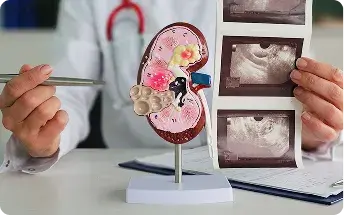
Ultrasound or CT scans may be used to detect structural abnormalities in the kidneys or urinary tract that could contribute to proteinuria.
Kidney Biopsy
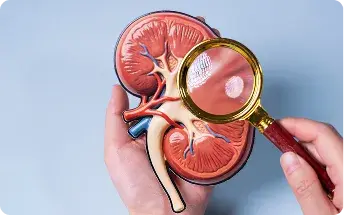
In cases where the cause of proteinuria is unclear, severe or accompanied by declining kidney function, a biopsy may be performed to examine kidney tissue and determine the exact underlying condition.
What Are the Treatment Options for Proteinuria?
The proteinuria treatment depends on its underlying cause, which your doctor will identify after thorough evaluation and testing. Based on the findings, treatment may include:
Lifestyle changes
If the cause of proteinuria is related to lifestyle factors such as obesity, high blood pressure, or smoking, lifestyle changes may be recommended to improve overall health and reduce protein in urine. These changes may include adopting a healthy diet, losing weight, quitting smoking, and increasing physical activity.
Medications
Depending on the underlying cause of proteinuria, medications may be prescribed to treat the condition and reduce proteinuria. For example, medications such as angiotensin-converting enzyme (ACE) inhibitors or angiotensin receptor blockers (ARBs) may be prescribed to treat high blood pressure and reduce proteinuria.
Treatment of underlying conditions
If proteinuria is caused by an underlying condition such as diabetes or an autoimmune disease, treating that condition may help reduce proteinuria.
Dialysis
In cases of severe proteinuria and kidney damage, dialysis may be necessary to filter waste products and excess fluids from the blood.
Kidney transplant
In some cases, a kidney transplant may be necessary if proteinuria and kidney damage are severe and other treatments are not effective.

It is important to consult with a healthcare provider for proper evaluation and treatment to determine the most appropriate treatment if you are experiencing bubbling in urine. Early detection and treatment of proteinuria is important to prevent or slow down the progression of kidney damage.
If you are diagnosed with proteinuria, do not hesitate to reach out to us for a thorough work-up, evaluation, diagnosis and comprehensive treatment plans.
Get Support for Proteinuria Concerns from Dr Alvin Ng
Early detection of protein in the urine plays a key role in preventing or slowing the progression of kidney damage. Noticing persistent bubbling in your urine is a good reason to consult Dr Alvin Ng at The Kidney Health Care Clinic, where you can receive a proper evaluation and the most suitable treatment.
If you have been diagnosed with proteinuria or have symptoms that raise concern, reach out to us for a thorough work up, detailed assessment, accurate diagnosis and a comprehensive treatment plan tailored to your needs. Book an appointment with us to get started on the right care.
Frequently Asked Questions About Proteinuria
No specific food directly causes proteinuria. However, in people who already have kidney disease or reduced kidney function, certain dietary factors can worsen protein leakage. Eating large amounts of protein-rich foods—such as red meat, full-fat dairy products, or protein supplements—may place extra strain on the kidneys. Similarly, foods high in sodium or heavily processed foods can also increase kidney workload and potentially aggravate proteinuria in susceptible individuals.
Yes. While not all causes of proteinuria are preventable, the risk can often be reduced by maintaining overall kidney health. Keeping blood pressure and blood sugar in healthy ranges is especially important since hypertension and diabetes are the most common causes of proteinuria. Staying well hydrated, avoiding smoking and limiting medications that may strain the kidneys such as long term or high dose NSAIDs can also help. Regular health checkups and early treatment of chronic conditions play an important role in prevention.
Not necessarily. Proteinuria can sometimes be temporary, caused by factors such as exercise, stress or dehydration. However, if protein is present in the urine for three months or longer, it may indicate an early stage of chronic kidney disease (CKD). It is important to consult a doctor for proper evaluation and monitoring to determine the cause and prevent further kidney damage.
You should seek medical attention if you notice persistent foamy or frothy urine, especially if it is new or worsening. Early consultation is important if you also experience symptoms such as facial or body swelling, frequent urination, shortness of breath or if proteinuria continues to appear on repeated urine tests.
If proteinuria is persistent and left untreated, it can lead to several complications. These include progressive loss of kidney function, high blood pressure, swelling in the legs and around the eyes and an increased risk of chronic kidney disease and eventually kidney failure. Proteinuria is also linked to higher risks of heart disease because kidney damage and cardiovascular health are closely connected. Early detection and treatment can help prevent or slow these complications.
Our Singapore Proteinuria Specialist

Dr Alvin Ng 黄国雄医生
Senior Consultant Nephrologist and Medical Director
MBChB (Auckland), FRACP (Aus), FAMS (Renal Medicine)
Dr Alvin Ng is a senior consultant nephrologist with over two decades of experience in kidney care. Prior to setting up his own practice, Dr Ng was the Director of Peritoneal Dialysis at Changi General Hospital and an executive committee member of the Singapore Society of Nephrology. He has held teaching appointments for medical students and residents; and is also a recipient of various service awards – a testament to the quality of care he provides.
Get in Touch with Us Today
We’re here to support you with clear guidance and personalised care for your kidney health. Whether you have questions or need professional advice, our team is ready to assist.

Book a Consultation with Our Singapore Kidney Specialist
Share your details with us and let us know how we can help. Our team will get in touch to arrange your appointment at a time that works best for you.