


Cystic Kidney Disease Treatment in Singapore

Dr Alvin Ng
Senior Consultant Nephrologist & Medical Director MBChB (Auckland), FRACP (Aus), FAMS (Renal Medicine)
What Are Simple and Complex Kidney Cysts?
Kidney cysts may develop due to genetic or non-genetic causes and can affect both children and adults. They are usually detected during imaging tests such as an abdominal ultrasound, CT scan or MRI scan.
Kidney cysts are commonly classified as either simple or complex cysts:
Simple kidney cysts
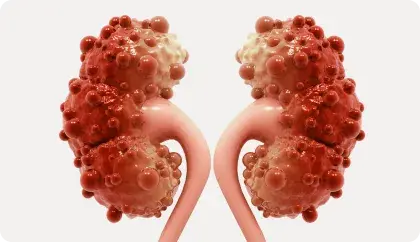
These cysts are fairly common and are usually seen in older individuals. They typically do not enlarge or interfere with kidney function. In rare cases, simple cysts can be malignant and lead to kidney cancer.
Complex kidney cysts
Complex renal cysts may have thicker walls, or contain solid material instead of fluid. Once complex cysts are detected, additional imaging tests may be performed to monitor and distinguish benign cysts from cancerous cysts.
Simple kidney cysts generally do not require treatment. However, if a cyst is large, causes symptoms, or disrupts the normal flow of urine, treatment may be recommended. This is usually done through radiological intervention. Complex cysts are monitored closely with repeat scans, and if cancer is suspected, surgically removed.
What Is Cystic Kidney Disease?
Cystic kidney disease is a condition in which multiple cysts form in or around the kidneys. It may be caused by genetic or non-genetic factors. In genetically inherited cases, cysts develop due to mutations or changes in certain genes that are passed down from one or both parents. These genetic changes may also be passed on to the next generation. In other patients, kidney cysts may be present at birth or develop during their lifetime.



Are There Different Types of Cystic Kidney Disease?
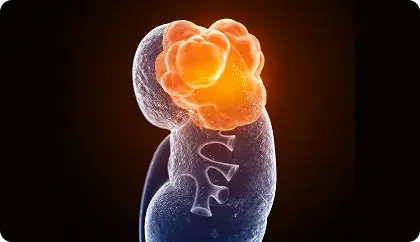
There are several types of cystic kidney disease. Some are caused by mutations in certain genes that are inherited from a parent. Others may develop during a person's lifetime or may be congenital. Kidney cysts can also appear later in life, especially as a person gets older.
Genetic cystic kidney diseases
Polycystic kidney disease (PKD)
This is the most common form of inheritable kidney disease. It is usually diagnosed between ages 30 and 50.
Medullary cystic kidney disease (MCKD)
MCKD causes cysts to develop in the corticomedullary (inner) part of the kidneys.
Glomerulocystic kidney disease
The cysts grow in the space near the urinary tract. This is very uncommon but can affect infants or adults.
Nephronophthisis
This is a very rare condition which affects infants, children and teenagers. It usually leads to kidney failure before adulthood.
Non-genetic cystic kidney diseases
Acquired cystic kidney disease
These cysts develop over time due to chronic kidney disease or kidney failure. It affects both adults and children who are on dialysis.
Multicystic dysplatic kidney
This condition occurs when the kidneys do not develop correctly in the womb. This leads to cysts replacing normal kidney tissue.
Medullary sponge kidney
This rare condition occurs when cysts form in the innermost part of the kidneys, and keep urine from flowing freely.
What Are the Symptoms of Cystic Kidney Disease?

 Back or flank pain (pain in your back or sides) Burst or bleeding cysts Difficulty urinating, or not producing much urine Fullness in the abdominal region Feeling bloated Headaches Blood in urine (haematuria) High blood pressure Kidney infections Kidney stones
 What Are the Treatment Options for Cystic Kidney Disease?
Kidney cysts can increase in size and number over time. In some cases, especially in genetic forms of cystic kidney disease, the cysts may gradually replace normal kidney tissue and cause kidney function to decline.
The main goals of treatment are to slow disease progression, preserve kidney function, manage symptoms and prevent complications. Treatment may include: controlling blood pressure, reducing the risk of cardiovascular disease and managing complications such as infected or ruptured cysts.
If kidney function continues to worsen and progresses to end-stage kidney failure, dialysis or kidney transplantation may be needed.
In recent years, treatments have become available to help slow the growth of kidney cysts, particularly those with polycystic kidney disease. Our kidney specialist will assess whether these treatments are suitable based on your diagnosis, kidney function, and overall health.

Our Cystic Kidney Disease Specialist

Dr Alvin Ng 黄国雄医生
Senior Consultant Nephrologist and Medical Director
MBChB (Auckland), FRACP (Aus), FAMS (Renal Medicine)
Dr Alvin Ng is a senior consultant nephrologist with over two decades of experience in kidney care, including cystic kidney disease. Prior to setting up his own practice, Dr Ng was the Director of Peritoneal Dialysis at Changi General Hospital and executive committee member of the Singapore Society of Nephrology. He has held teaching appointments for medical students and residents, and is also a recipient of various service awards – a testament to the quality of care he provides.
Get in Touch with Us Today
We’re here to support you with clear guidance and personalised care for your kidney health. Whether you have questions or need professional advice, our team is ready to assist.

Book a Consultation with Our Singapore Kidney Specialist
Share your details with us and let us know how we can help. Our team will get in touch to arrange your appointment at a time that works best for you.