


Is Foamy Urine a Sign of Kidney Disease?
What Other Symptoms Can Occur with Foamy Urine?
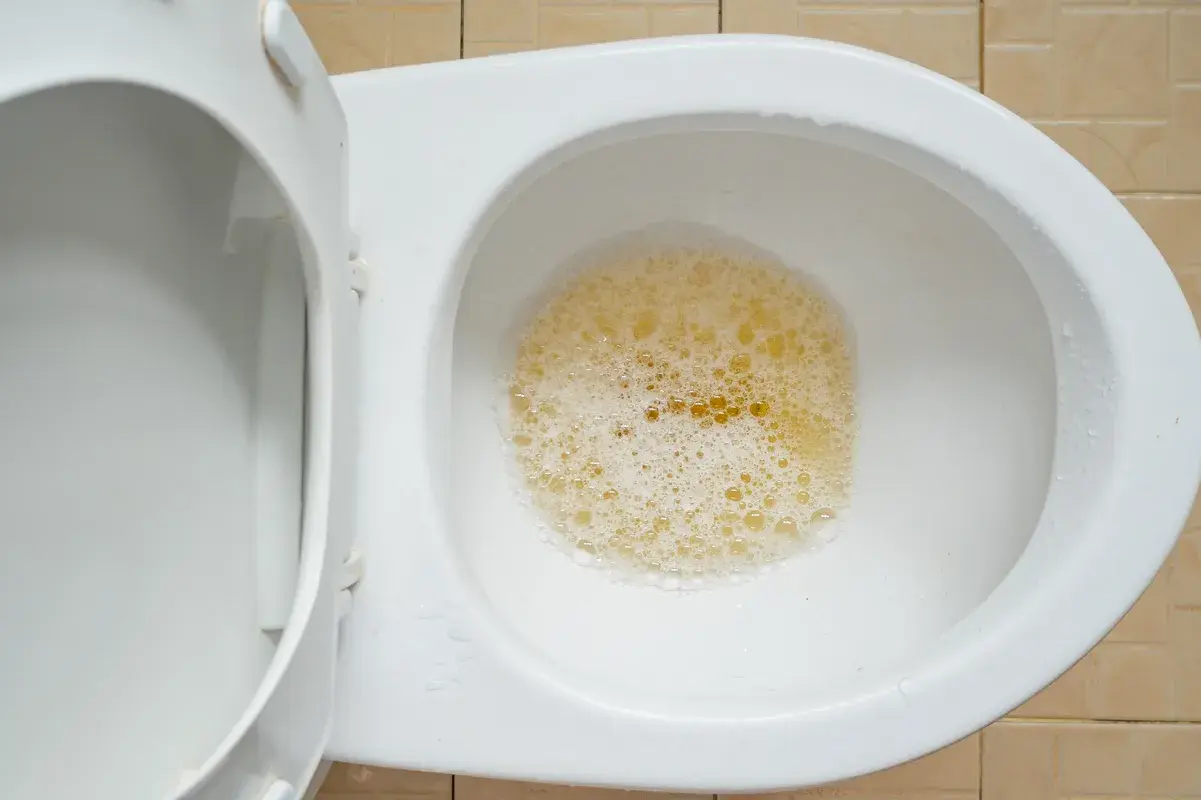
Particularly when expelled with force, it is not uncommon to notice a slight frothy fizz when one urinates into the toilet bowl. Nevertheless, an overabundance of froth or bubbles may indicate undetected kidney complications.
Other accompanying symptoms, such as frequent urination, discomfort during urinating, or pain concentrated around the kidneys, might also manifest themselves concurrently. These are typical signs associated with ailments like urinary tract infections and kidney stones.
The emergence of noticeably bubbly or frothy urine can be significantly tied to certain renal disorders, including chronic kidney disease and outright kidney failure. Conditions like these frequently result in higher levels of protein present in the urine, which consequently causes a foamy appearance upon expulsion from the body.
Apart from foamy urine, enduring conditions such as chronic kidney disease or complete renal failure can also trigger swelling of extremities – hands and feet, persistent fatigue, and elevated blood pressure, amongst other symptoms.
It's important not to dismiss consistently foamy-looking urine simply but instead have it examined by professionals; while it may turn out to be nothing serious at all, caution always prevails over negligence.
What Causes Foamy Urine or Proteinuria?
There could be many different reasons for the strange sight of foamy pee when you need to go to the toilet. A simple cause, such as a fast stream of urine, can often be the most common one. When released at such a high speed, it could stir up air inside the liquid, giving it that strange, bubbly look. Similar occurrences may transpire when an individual consumes insufficient fluids, resulting in urine that is excessively concentrated. As waste products accumulate in the urine and increase in density, they become more susceptible to generating bubbles when they come into contact with toilet water.
Should you observe an enduring foaminess in your urine, immediate consultation with a medical professional is strongly encouraged to exclude potential causes swiftly. Routine health assessments will usually incorporate a straightforward urinary analysis capable of discerning whether the foam is due to surplus protein or another underlying condition lurking beneath the surface.
How is Excessive Protein in Urine Treated?
The course of action for bubbly urine is primarily dictated by the root cause that triggers it. For instance, enduring frothiness in your pee, especially when accompanied by additional symptoms like traces of blood or an unusual smell, could insinuate graver health issues such as urinary tract infections or worse.
In case your urinalysis unveils these complications, then medical treatment tailored to enhance kidney performance is often warranted. For example, if you find excessive proteins in your pee due to high blood pressure or diabetes, managing these ailments might bring back the hue and consistency of your pee to its normal state. Similarly, pungent-smelling pee generally signifies infection, prompting prescription antibiotics from your physician.
In some instances, treatment for foamy urine can be as simple as making lifestyle changes. Here are some possible steps:
Hydrate:
Drinking plenty of water throughout the day helps dilute your urine and may reduce its foaminess.
Cut down on protein:
If you consume a lot of protein in your diet, it might be causing excessive bubbles in your urine. Reducing your intake could help.
Limit alcohol and caffeine:
Both these substances can dehydrate you and make your pee more concentrated, increasing the chances of it causing foamy urine.
If lifestyle changes aren't enough to resolve the issue, medical intervention may be necessary.
Some potential treatments include:
Medication for high blood pressure or diabetes:
If either condition is contributing to excess proteins in your urine (and thus causing it to be frothy), managing them with medication could resolve the problem.
Antibiotics:
If an infection is causing foul-smelling or bubbly pee, antibiotics prescribed by a doctor can clear up the infection and alleviate symptoms.
Dialysis or kidney transplant:
In severe cases where kidney disease is leading to persistent foamy urine despite other interventions, dialysis or even a kidney transplant might become necessary.
Remember that if you consistently notice frothiness in your pee—especially if it's accompanied by other worrying signs like bloody traces or unusual smells—don't ignore it! It's always better to seek medical advice sooner rather than later when dealing with potential health issues.
Meet Dr Alvin Ng Kok Heong

Dr Alvin Ng
Senior Consultant NephrologistMBChB (Auckland), FRACP (Aus), FAMS (Renal Medicine)
Dr Alvin Ng is a nephrologist in Singapore with more than 20 years of experience. He specialises in the diagnosis and management of a wide range of kidney conditions and is committed to providing comprehensive, personalised and evidence-based care for patients with kidney disease.
Prior to private practice, Dr Ng served as a consultant nephrologist at Changi General Hospital, where he was Director of the Peritoneal Dialysis Service and a member of the MOH Peritoneal Dialysis Workgroup. He has also held leadership roles within the Singapore Society of Nephrology and has been actively involved in the education of medical students, junior doctors and specialist trainees. His contributions to patient care, medical education and professional service have been recognised through multiple awards.