

Peritoneal dialysis (PD) is a treatment that supports kidney function by using the membrane lining of your abdominal cavity (peritoneum) to filter waste and excess fluid from the body. Many individuals choose this form of dialysis because it can be done at home, providing a familiar environment and a more flexible routine.
When carrying out home-based care, you seldom have the safety net that trained medical staff can offer. As such, it is important for patients and their family members to look out for their safety. In order to prevent complications and ensure that each session of treatment is performed correctly and consistently, it is important to learn more about the peritoneal dialysis process and all the precautions that must be taken.
Types of Peritoneal Dialysis Procedure
Peritoneal dialysis can be performed in two main ways. Both methods use the same principle of filling the abdomen with dialysate fluid, allowing waste to be filtered through the peritoneal membrane. There are small differences between each method, which should be noted.
Continuous Ambulatory Peritoneal Dialysis (CAPD):
CAPD is a manual form of peritoneal dialysis performed throughout the day. You manually drain used dialysate from your abdomen and replace it with fresh solution several times daily, typically 4–5 exchanges. Each exchange takes about 30–40 minutes, and the dialysate remains in your abdomen for 4–6 hours between exchanges. This method requires no machines and allows you to continue with daily activities while the dialysis solution works.
Automated Peritoneal Dialysis (APD):
APD uses a machine called a cycler to perform dialysis exchanges automatically while you sleep. The device is programmed to fill and drain dialysate from your abdomen multiple times throughout the night, typically over 8–10 hours. This method is convenient for those with busy daytime schedules as it requires less direct intervention. You may also need one manual exchange during the day, depending on your treatment plan.
How to Prepare Your Home for Peritoneal Dialysis
In order to help reduce infection risk and ensure that each exchange can be completed smoothly, it is important to keep your home clean and sterile. Maintaining this dedicated area for dialysis can greatly contribute to creating a secure environment for each procedure.
There are several areas to focus on:
Sterile Treatment Zone:
Designate a clean, quiet area in your home where you can perform your dialysis exchanges. This space should be free from dust, clutter and high foot traffic. If possible, choose a room with a door that can be closed during treatment to minimise the risk of contamination.
Exchange Station:
Your exchange station should be organised and functional. If you are using APD, position the cycler near your bed with access to a power outlet. Ensure the drainage line can reach a toilet, sink or drain. For CAPD, arrange your workspace so you can comfortably sit or stand during exchanges.
Organised Area:
Peritoneal dialysis requires a significant amount of supplies, including dialysate bags, connection sets and sterile equipment. Proper storage is important to maintain their safety and effectiveness. Keep all supplies in a clean, dry area, away from direct sunlight and moisture. Only open sterile, sealed packaging when you are ready to use the item to reduce the risk of contamination.
Hygiene and Drainage Access:
Constant hand hygiene is one of the most important steps in preventing infection. Ensure soap, clean towels and hand sanitiser are always available near the exchange area. Used dialysate bags and tubing must be discarded appropriately in biohazard containers.
Best Practices for Peritoneal Dialysis Self-Care
As you continue to carry out dialysis procedures, you will likely develop a consistent routine and learn to pay careful attention to hygiene. The following practices can help patients and caregivers maintain safe treatment at home while they get used to the process:
Follow training closely:
Your dialysis team will teach you how to perform exchanges safely. Family members should participate in training so they can support the patient when needed.
Inspect supplies before exchange:
Ensure dialysate bags are clear, free of leaks and within the recommended temperature range. Confirm that all equipment is sterile and unopened.
Monitor exit site daily:
Look for redness, swelling, leakage or discomfort. A clean exit site helps protect against infection along the catheter tract.
Record daily observations:
Keep track of your weight, blood pressure, how you feel and any changes in drain volume. These details help your clinic adjust treatment when needed.
Preventing Infection on Your Peritoneal Dialysis Journey
To reduce your risk of infection:
- Keep your treatment area clean by wiping down surfaces before each exchange.
- Wear a face mask during exchanges to prevent bacteria from contaminating your equipment.
- Wash your hands thoroughly using soap and water for at least 20 seconds before and after dialysis.
- Use sterilising techniques when connecting and disconnecting your catheter.
- Avoid touching the catheter connection points with your hands or any non-sterile objects.
- Change dressings regularly and keep the catheter exit site clean and dry.
- Report any signs of infection immediately, including fever, cloudy drainage, abdominal pain or discharge from the catheter site.
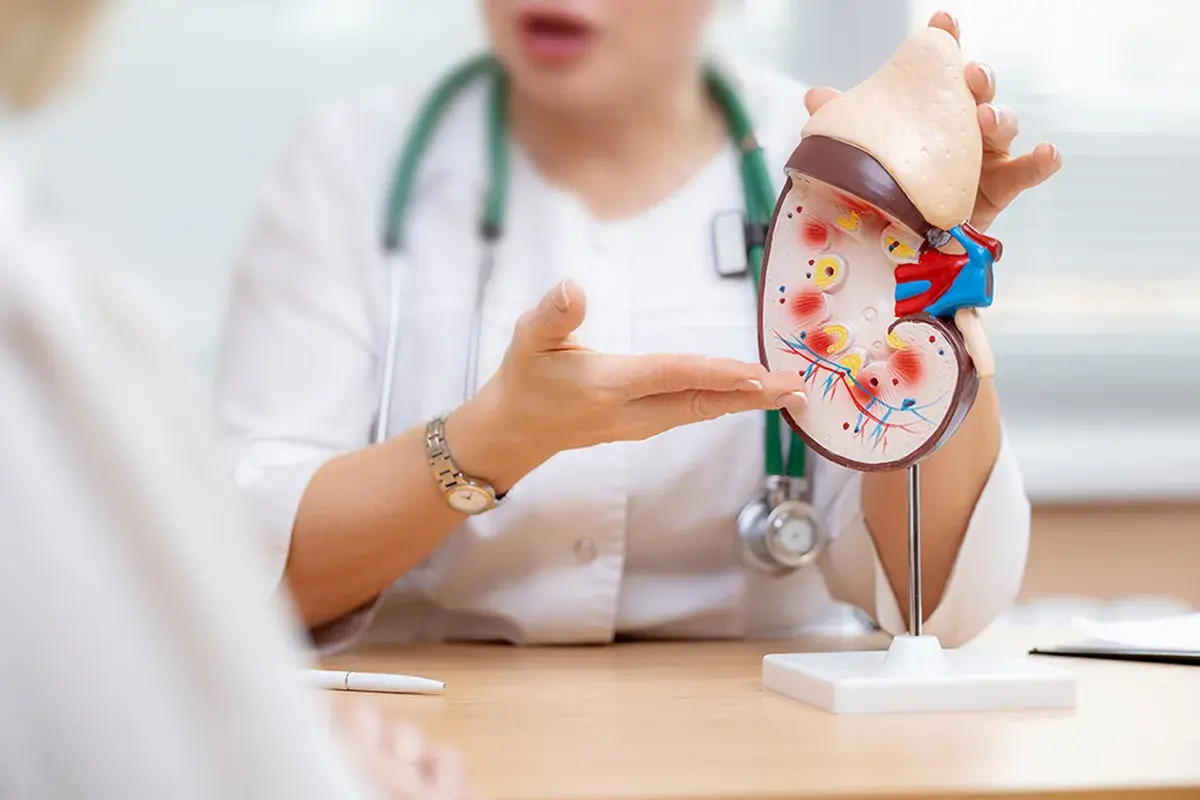
When to Contact Your Peritoneal Dialysis Clinic in Singapore
While peritoneal dialysis is generally safe, certain symptoms require immediate medical attention. Visit your peritoneal dialysis clinic if you experience:
- Cloudy or discoloured drainage fluid, which may indicate infection in your abdomen
- Fever, chills or unexplained flu-like symptoms
- Severe abdominal pain or tenderness
- Redness, swelling, pain or discharge at the catheter exit site
- Difficulty draining the dialysate or poor flow through the catheter
- Shortness of breath or difficulty breathing, which may signal fluid overload
- Unusual bleeding or leakage around the catheter site
Home dialysis gives you a greater level of control over your treatment schedule. With proper training, attention to hygiene, and consistent self-care, patients can manage PD safely and effectively while maintaining their independence and quality of life.