


Causes of Kidney Inflammation
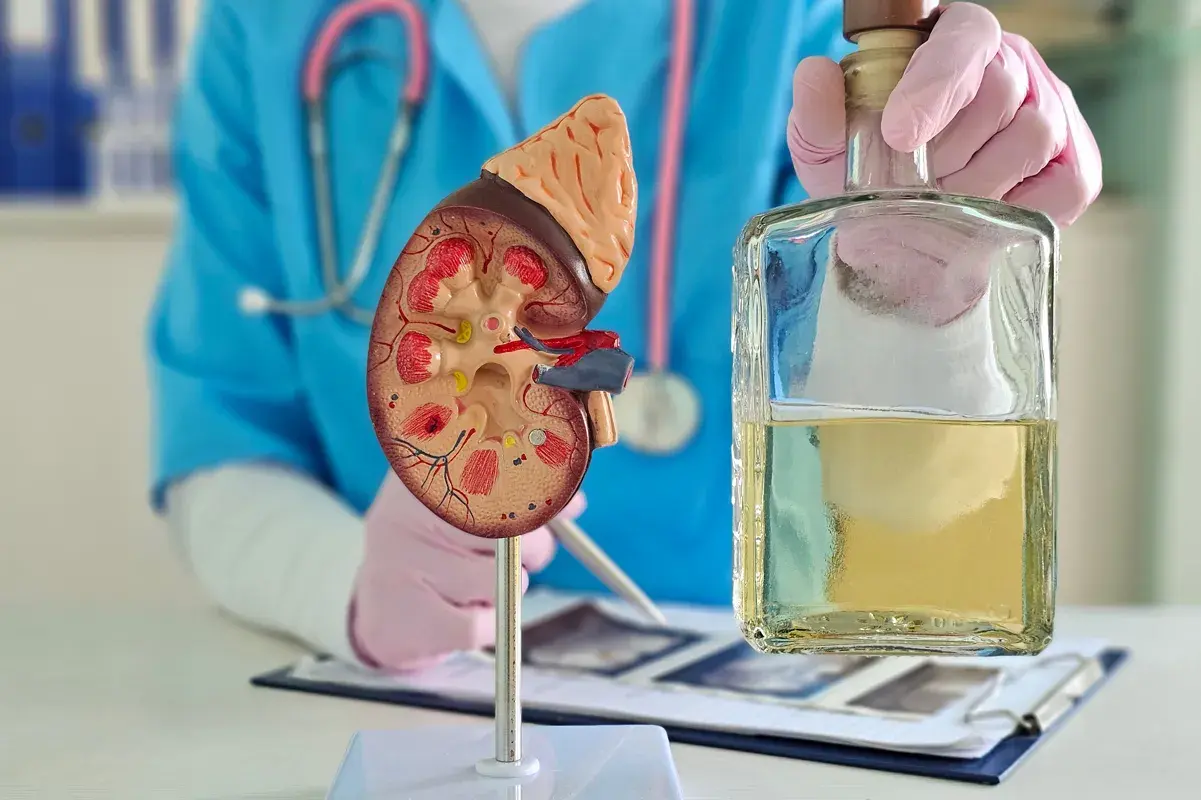
Another significant cause of kidney inflammation is long-term high blood pressure. This condition can inflict vast damage on the glomerulus, which inevitably results in kidney inflammation. Protein found in urine, detected through a kidney biopsy, is usually a clear indication of such damage. Furthermore, the filters in the kidneys swell, restricting their ability to function correctly. Therefore, understanding these underlying causes can provide a route to more effective treatment and management strategies for kidney inflammation.
Symptoms of Kidney Inflammation
In understanding kidney inflammation, it is crucial to recognise its telling symptoms, most of which are related to the kidney's diminished ability to filter waste products and excess fluid from the blood. The inflammation, often caused by conditions like IgA nephropathy or strep infection, hampers the functioning of the delicate filters within the kidneys. As a result, signs such as swelling due to the build-up of excess fluids, blood in the urine resulting from damaged blood cells in the kidney, and high blood pressure due to the kidney's impaired ability to manage sodium might be observed.
Nevertheless, additional symptoms can surface if the inflammation is driven by an autoimmune response, in which the body's immune cells mistakenly attack the body tissues. Fatigue, loss of appetite, weight loss, and persistent fever are common indicators that may prompt further medical actions. One may need to undergo tests such as a biopsy for a conclusive diagnosis. Treatments usually involve antibiotics to tackle infections, or, in advanced stages, dialysis may be administered to compensate for decreased kidney functionality. It is essential to seek medical attention promptly if these symptoms arise to prevent more serious complications and administer appropriate treatment promptly.
How Alcohol Can Affect Kidney Inflammation
Alcohol consumption, whether acute or chronic, poses a detrimental risk to kidney health, often acting as an inhibitor to the organ's natural functions. The harmful effects of alcohol can lead to kidney inflammation, presenting as disorders such as lupus nephritis, interstitial nephritis, and acute nephritis. Individuals who consume alcohol excessively might face kidney infections due to suppressed immune function, which further catalyses inflammation. In addition, the dilation and constriction of blood vessels triggered by alcohol can also precipitate sudden renal inflammation.
In more severe cases, continuous alcohol intake can cause irreparable kidney damage, potentially leading to chronic kidney disease. Consumption of alcohol not only accelerates the progression of existing kidney disease but also increases the likelihood of developing kidney disorders over time. Therefore, it becomes paramount for individuals, especially those with inherent renal issues, to understand the significant implications of alcohol on kidney health and make informed consumption choices to mitigate the risks.
Tips for Alcohol Consumption with Kidney Inflammation
Taking care of your kidneys when you have an autoimmune disease is more complex than one might think, particularly considering the impact of alcohol. Excessive or long-term alcohol consumption may trigger acute kidney problems or exacerbate existing issues. Here are some tips on managing alcohol consumption for kidney health:
Moderation
Adopting moderation in drinking is crucial for managing and preventing kidney inflammation. Regular heavy alcohol consumption can cause kidney inflammation, worsening health conditions and potentially leading to new kidney issues. This persistent inflammatory response can accelerate the progression of nephritis, resulting in more severe kidney problems for some patients. By moderating alcohol intake, individuals can not only manage their condition better but also significantly reduce the risk of severe issues like acute kidney failure. Symptoms of nephritis include blood in the urine, high blood pressure, and fluid retention, which require constant monitoring for effective treatment.
Hydration
The importance of hydration cannot be overstated, especially for individuals with nephritis, including acute glomerulonephritis. Kidneys play a crucial role in filtering blood, and adequate water intake ensures optimal kidney function by effectively filtering out waste materials. Failure to maintain sufficient hydration can compromise this vital function and may lead to serious complications, potentially resulting in permanent kidney damage. Correcting inadequate hydration habits in time is crucial to prevent kidney failure.
Avoiding Binge Drinking
Given alcohol's detrimental impact on the body, individuals at risk of kidney disease should avoid binge drinking. Binge drinking exacerbates kidney inflammation, complicating conditions like glomerulonephritis and even leading to end-stage kidney disease. Particularly for those predisposed to such diseases, excessive alcohol consumption can trigger kidney inflammation flare-ups, worsening existing conditions. Understanding the risks associated with alcohol and committing to moderation is essential for the remedial and preventive treatment of glomerulonephritis and other kidney diseases. It's crucial for individuals dealing with kidney inflammation to proactively manage their health and adhere to appropriate treatment.
Meet Dr Alvin Ng Kok Heong

Dr Alvin Ng
Senior Consultant NephrologistMBChB (Auckland), FRACP (Aus), FAMS (Renal Medicine)
Dr Alvin Ng is a nephrologist in Singapore with more than 20 years of experience. He specialises in the diagnosis and management of a wide range of kidney conditions and is committed to providing comprehensive, personalised and evidence-based care for patients with kidney disease.
Prior to private practice, Dr Ng served as a consultant nephrologist at Changi General Hospital, where he was Director of the Peritoneal Dialysis Service and a member of the MOH Peritoneal Dialysis Workgroup. He has also held leadership roles within the Singapore Society of Nephrology and has been actively involved in the education of medical students, junior doctors and specialist trainees. His contributions to patient care, medical education and professional service have been recognised through multiple awards.