
Short-term Effects of Haemodialysis
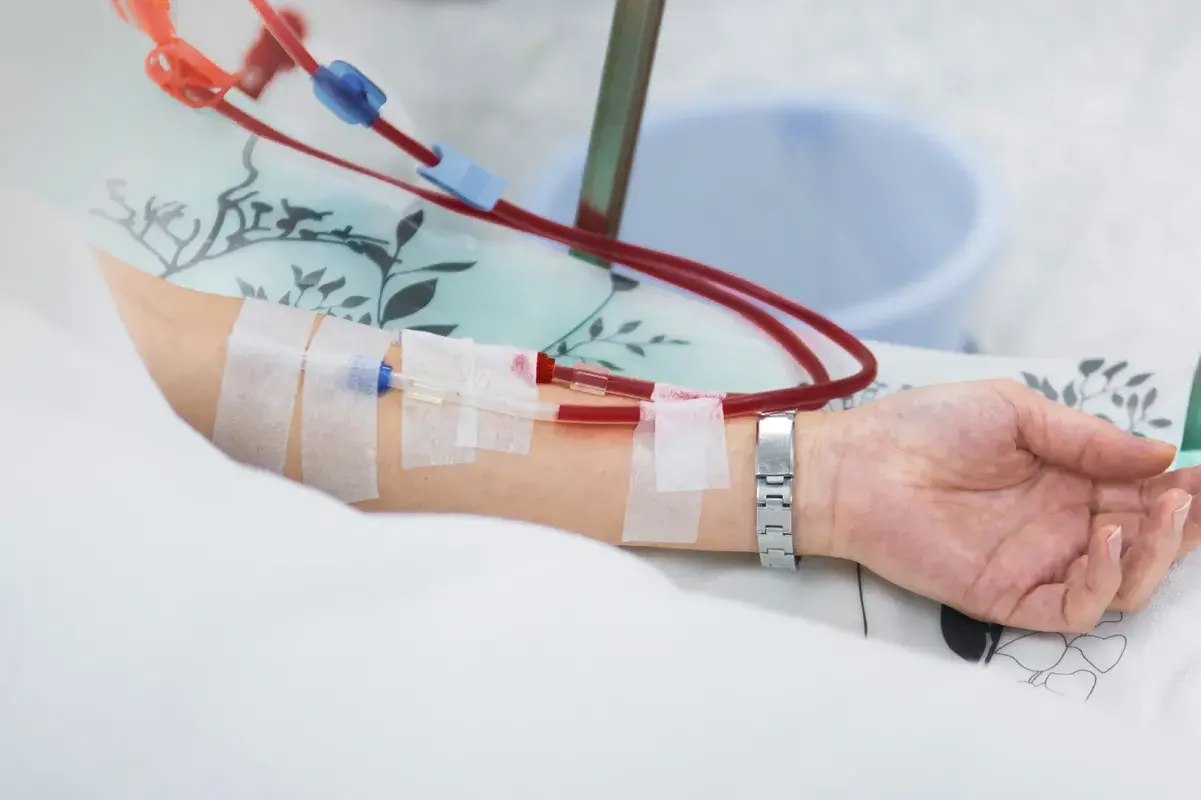
The process of haemodialysis involves connecting the patient to a dialysis machine via vascular access, usually a catheter. Vascular access is essential for haemodialysis. It is the site where blood is removed and returned during treatment. A dialysis session typically runs three times a week and lasts for about four hours. This is where waste products and extra fluid are removed, as the diminished kidney function can no longer filter it out. Even in these initial stages, it is normal for patients to experience some physical discomfort as their body adjusts to the process.
Despite the potentially life-saving benefits, the short-term effects of this treatment are considerably challenging. Patients immediately experience changes such as fatigue from long dialysis sessions and muscle cramps from rapid fluid removal. They may also face low blood pressure from such sessions. Furthermore, some patients experience frequent infections due to the catheter's consistent use, which provides a likely entry point for bacteria. Peritoneal dialysis, an alternative to haemodialysis, has comparable short-term effects. These effects include infection risk at the catheter site and changes from continuous dialysis fluid in the abdomen.
Long-term Effects of Dialysis Treatment on Health
People commonly seek haemodialysis as a treatment option for kidney diseases such as chronic kidney disease. Many patients begin with a haemodialysis session at a dialysis centre under the watchful eye of a trained technician. However, the journey doesn't end with mastering the type of haemodialysis or feeling comfortable in the dialysis centre's surroundings.
Over time, it becomes evident that navigating through the dialysis process has consequences on one's overall health. One of the dominant effects is alterations in cardiovascular and bone health, which present an attribute of intrigue for medical practitioners and research scholars alike. Long-term use of the haemodialysis machine, although a lifeline for many, carries significant implications for the patient's well-being that necessitate continual management and care.
Impact on cardiovascular health
In patients who receive haemodialysis over a long duration, there may be a substantial rise in certain health risks. During the haemodialysis dose, a machine circulates the patient's blood, cleaning it before returning it to the body through a fistula or graft. Over time, these patients may witness an increased rate of hospitalisations due to cardiovascular events.
While standard haemodialysis at a dialysis facility usually occurs three times a week, more frequent haemodialysis at home, such as nocturnal or daily sessions, may help reduce some cardiovascular risks. It's important to underscore that haemodialysis removes not only toxins but also some necessary nutrients from the body, which could potentially strain the heart. Moreover, the interaction of the dialysis patient's blood with the dialysis machine may result in inflammation, another factor contributing to cardiovascular risk. These individuals must stay vigilant for any signs of infection to ensure prompt treatment, minimising the detrimental impact on the cardiovascular system.
Effects on bone health
Frequent haemodialysis treatments may predispose patients, especially those with end-stage kidney disease, to a myriad of bone-related complications. Disturbances in mineral and bone metabolism are common among haemodialysis patients. Disruptions in the body's regulatory systems primarily drive these issues. The optimal haemodialysis frequency is crucial for addressing kidney issues. It must strike a balance between maintaining health and preventing additional complications. Consistent exposure to the haemodialysis process can potentially exacerbate bone conditions, emphasising the importance of carefully calibrated, patient-specific haemodialysis plans. Such plans aim to provide effective kidney disease management while curbing unwanted side effects.
Start Haemodialysis Treatment for Your Kidney Health
The haemodialysis process, often simply called dialysis, can have multiple impacts on patients, both in the short and long term. As a treatment for severe kidney issues, this process necessitates a dialysis catheter, which presents potential complications from infection to blood clots. Immediately after the start of treatment, some individuals may experience fatigue, low blood pressure, or skin irritation around the catheter site. Notably, these short-term aftermaths are generally manageable and tend to alleviate as the body adjusts or as treatments adapt to patient needs.
As for long-term effects, a thorough understanding is vital for maintaining patient health. Evidence suggests clear associations between ongoing haemodialysis therapy and the likelihood of cardiovascular ailments. Patients with no prior cardiac history have reported heart disease, arrhythmias, and other cardiovascular problems. Since dialysis became more widely employed, researchers have documented changes in bone density and an increased risk of fractures. These findings highlight the significant concern of the effects on bone health.
These complexities underscore the sheer importance of careful management and diligent dialysis practice. Both intermittent haemodialysis and chronic modalities require careful attention to hygiene. This is especially important for dialysis equipment to prevent infections and other complications. Ongoing research, such as the cooperative dialysis study, offers remarkable insights into optimising this treatment. This helps countless patients undergoing dialysis better manage their condition.
Meet Dr Alvin Ng Kok Heong

Dr Alvin Ng
Senior Consultant NephrologistMBChB (Auckland), FRACP (Aus), FAMS (Renal Medicine)
Dr Alvin Ng is a nephrologist in Singapore with more than 20 years of experience. He specialises in the diagnosis and management of a wide range of kidney conditions and is committed to providing comprehensive, personalised and evidence-based care for patients with kidney disease.
Prior to private practice, Dr Ng served as a consultant nephrologist at Changi General Hospital, where he was Director of the Peritoneal Dialysis Service and a member of the MOH Peritoneal Dialysis Workgroup. He has also held leadership roles within the Singapore Society of Nephrology and has been actively involved in the education of medical students, junior doctors and specialist trainees. His contributions to patient care, medical education and professional service have been recognised through multiple awards.