

Methodological Differences
Haemodialysis:
Peritoneal Dialysis:
In contrast, peritoneal dialysis is a home-based treatment leveraging the patient's own peritoneal membrane lining the abdominal cavity. A catheter is surgically implanted in the abdomen, serving as the conduit for introducing a dialysis solution. This solution resides in the abdomen for a specified period, enabling the removal of waste and excess fluid from the bloodstream, after which it's drained out, carrying the waste with it.
Frequency and Duration Differences Compared to Haemodialysis Treatment
Regarding the frequency and duration of treatment, substantial disparities arise between haemodialysis and peritoneal dialysis.
Haemodialysis:
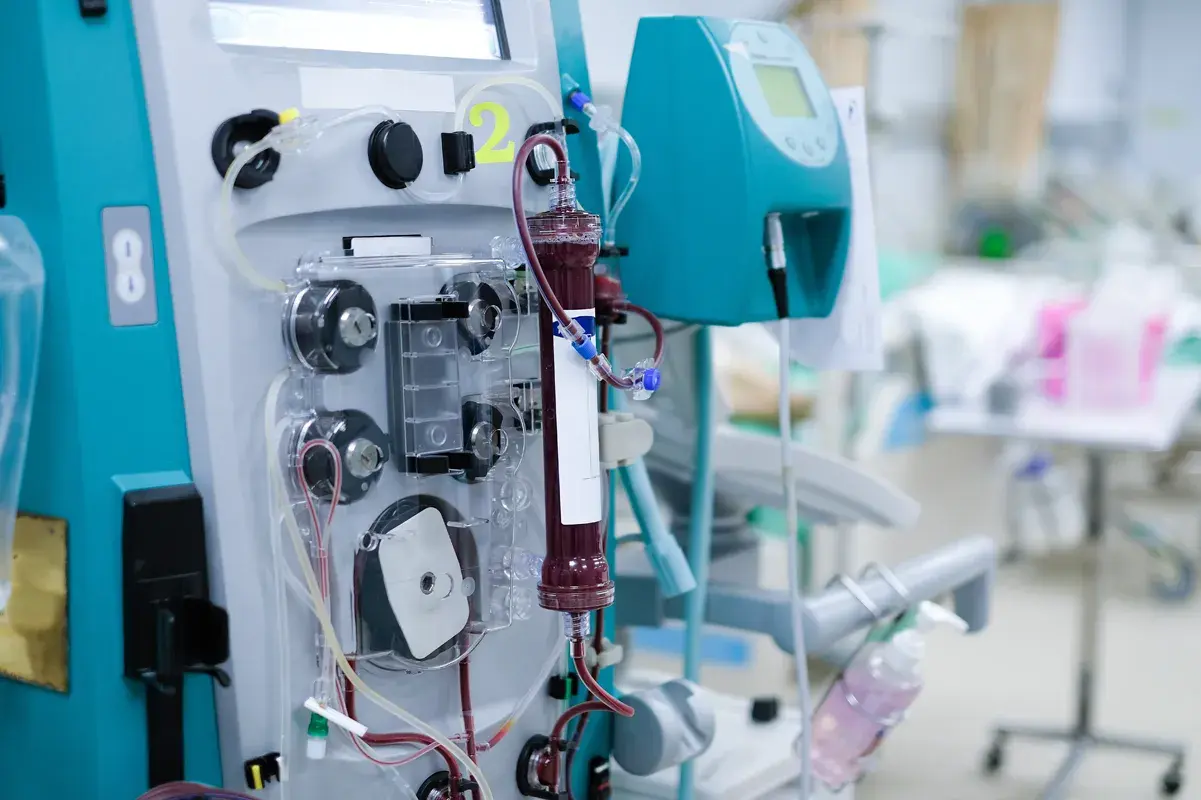
Haemodialysis is typically performed three times a week, with each session extending from approximately three to four hours. These dialysis sessions are carried out at a dialysis center under the close supervision of healthcare professionals.
Peritoneal Dialysis:
On the other hand, peritoneal dialysis may be executed daily or nightly, contingent on patient needs and preferences. This affords more flexibility and independence, as patients can conduct the treatment within the comforts of their home. However, it necessitates a greater level of patient commitment and responsibility, as they undertake the dialysis procedure regularly.
Dialysis Patient Lifestyle Impact
The choice between haemodialysis and peritoneal dialysis wields a considerable influence on a patient's lifestyle.
Haemodialysis:
Haemodialysis treatment mandates patients to travel to a dialysis center for treatment several times per week, a process that can consume time and disrupt daily routines. It may also necessitate adjustments to work schedules and transportation logistics. However, haemodialysis obviates the need for daily involvement from the patient's end in terms of performing the procedure.
Peritoneal Dialysis:
In contrast, peritoneal dialysis empowers patients to receive dialysis at home, granting greater freedom and flexibility. Patients can participate in their routine activities and possess more control over their daily schedule. However, it mandates a certain level of discipline and strict adherence to maintain a sterile environment and prevent infections.
Considerations for Choosing Between Haemodialysis and Peritoneal Dialysis
The selection between haemodialysis and peritoneal dialysis calls for a contemplation of various factors. An individual's overall health, medical condition, lifestyle preferences, and support system all assume critical roles in this decision-making process. The appropriateness of one type of dialysis treatment over the other may vary according to the individual's specific requirements.
For instance, individuals with diabetes or underlying medical conditions may find peritoneal dialysis more suitable, as it provides superior control over glucose levels. Conversely, those in need of more intensive dialysis or with limited vascular access options may derive greater benefits from haemodialysis treatment. Patients are encouraged to engage in comprehensive discussions with their healthcare teams, including nephrologists and dialysis nurses, to determine the dialysis type that best aligns with their individual needs. The decision should be a product of a synthesis of medical considerations, lifestyle factors, and personal preferences.
In conclusion, the choice between haemodialysis and peritoneal dialysis is a momentous one for individuals grappling with kidney disease. Each type of dialysis boasts a distinctive approach, schedule, and lifestyle impact. Factors such as overall health, lifestyle inclinations, and support systems should be carefully weighed when making this decision. Collaborative consultations with healthcare professionals are pivotal in aiding individuals to make informed choices that best cater to dialysis patient needs.
Meet Dr Alvin Ng Kok Heong

Dr Alvin Ng
Senior Consultant NephrologistMBChB (Auckland), FRACP (Aus), FAMS (Renal Medicine)
Dr Alvin Ng is a nephrologist in Singapore with more than 20 years of experience. He specialises in the diagnosis and management of a wide range of kidney conditions and is committed to providing comprehensive, personalised and evidence-based care for patients with kidney disease.
Prior to private practice, Dr Ng served as a consultant nephrologist at Changi General Hospital, where he was Director of the Peritoneal Dialysis Service and a member of the MOH Peritoneal Dialysis Workgroup. He has also held leadership roles within the Singapore Society of Nephrology and has been actively involved in the education of medical students, junior doctors and specialist trainees. His contributions to patient care, medical education and professional service have been recognised through multiple awards.