

Chronic Kidney Disease (CKD)
Treatments for CKD
There exist two primary therapeutic avenues – dialysis and transplantation. Dialysis employs machine-aided cleansing methods to purge harmful residues and excess fluids from your system while transplantation involves placing a healthy donor-kidney into your body through surgical means. Both these routes bring hope but they also come bundled with their unique set of challenges and risks.
A matter of significance in ensuring the vitality of our kidneys revolves around prompt identification and intervention for potential risk factors. Routine urine checks, to draw an example, can flag any presence of kidney stones or other anomalies that could trigger deteriorating kidney health. Certain health predicaments like polycystic kidney disease along with different renal diseases can be managed effectively if detected during their early stages. Specific scenarios might even necessitate a kidney biopsy to accurately detect the root cause behind a normally functioning kidney's decline.
Nevertheless, breakthroughs advocated by esteemed organisations such as The National Kidney Foundation strive towards thwarting CKD (Chronic Kidney Disease) rather than merely remedying it once it has occurred. Bespoke treatments for various kidney disorders are made accessible after acquiring comprehensive insights into an individual's specific state of renal health. The ultimate goal is preventative, aiming to impede end-stage renal disease – a grave condition where our kidneys function at less than 15% of their usual capacity from transpiring.
Choices on one's lifestyle, too, wield significant importance when it comes to managing risks and decelerating the advancement of kidney diseases. Thus, while medical interventions remain crucial, alterations in daily living habits can remarkably mitigate risks associated with further deterioration or damage caused to our kidneys.
Complications Related to Chronic Kidney Disease
Individuals who experience renal dysfunction may discover themselves entangled in a complex predicament. Individuals who are afflicted with chronic kidney disease (CKD) face this. Elevated blood pressure has the potential to inflict extensive and prolonged renal injury, thereby increasing an individual's vulnerability to other kidney diseases. Similarly, diabetes gives rise to renal dysfunction as elevated blood sugar gradually causes undetectable harm. An increased likelihood of cardiovascular disease is also an unwelcome consequence tied to reasons and signs of chronic kidney disease.
Managing Chronic Kidney Disease: Types of Dialysis Available
As chronic kidney disease (CKD) advances to the critical stage of end-stage renal disease (ESRD), the necessity for treatments such as dialysis becomes increasingly apparent. Experts in kidney disease frequently recognise early signs of renal distress, verifying them through CKD testing and often endorsing dialysis as a crucial method for maintaining healthy kidneys. Two dialysis variations may be recommended per an individual's unique symptoms and lifestyle.
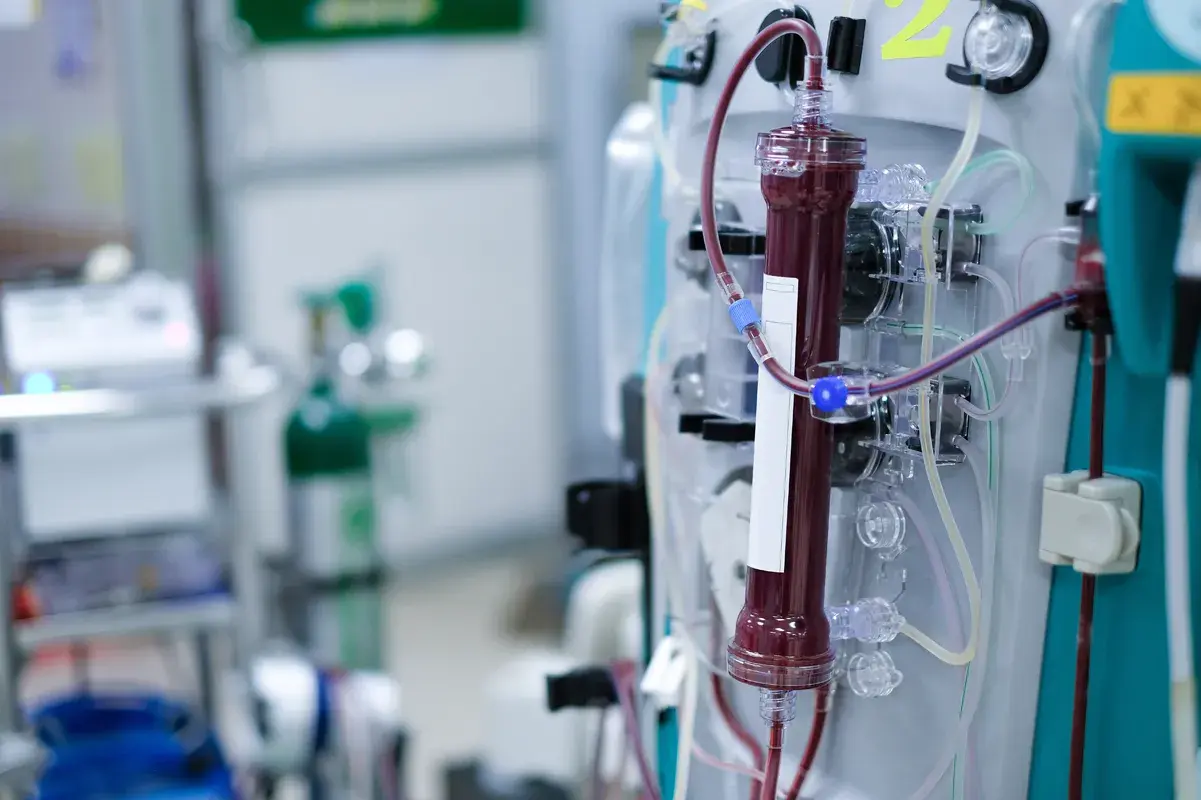
Firstly, there is haemodialysis—a process outside your body where an artificial machine functions as a kidney, filtering your blood. Secondly, peritoneal dialysis enables your body to purify blood internally by using a cleansing liquid introduced into your abdomen. The treatment map is usually charted based on individual observable symptoms.
Though no strategy can fully halt disease progression, they serve to prevent CKD from spiralling into something more dire. Henceforth, both methods aim to cushion the impact that kidney failure might inflict on the body while also enhancing quality of life by addressing discomforts linked with diseases like end-stage renal disease.
Meet Dr Alvin Ng Kok Heong

Dr Alvin Ng
Senior Consultant NephrologistMBChB (Auckland), FRACP (Aus), FAMS (Renal Medicine)
Dr Alvin Ng is a nephrologist in Singapore with more than 20 years of experience. He specialises in the diagnosis and management of a wide range of kidney conditions and is committed to providing comprehensive, personalised and evidence-based care for patients with kidney disease.
Prior to private practice, Dr Ng served as a consultant nephrologist at Changi General Hospital, where he was Director of the Peritoneal Dialysis Service and a member of the MOH Peritoneal Dialysis Workgroup. He has also held leadership roles within the Singapore Society of Nephrology and has been actively involved in the education of medical students, junior doctors and specialist trainees. His contributions to patient care, medical education and professional service have been recognised through multiple awards.