


What Causes Haematuria
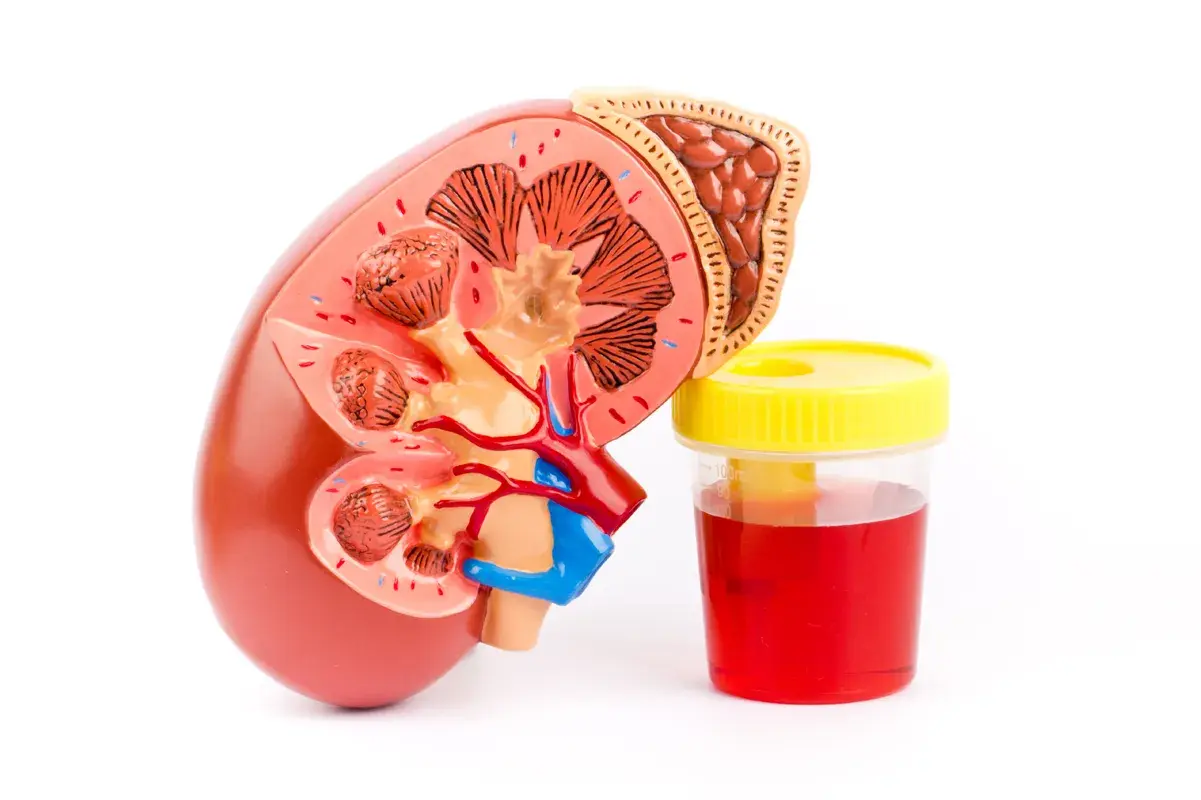
Haematuria, or the presence of blood in urine, can be gross or microscopic. Gross haematuria occurs when they see blood in the urine. Doctors diagnose microscopic haematuria through urine testing, as the blood cells are too small to detect visually. A prevalent cause of haematuria is urinary tract infections (UTI) due to bacteria infiltrating the urinary system at any point, from the urethra to the kidneys. As a response to the infection, urine may have traces of blood, causing discomfort during urination.
On the other hand, more serious concerns, such as kidney stones or an enlarged prostate, can also lead to haematuria. Kidney stones develop when high levels of certain substances accumulate in the urine, forming crystals in the kidneys that can cause bleeding when passing down the ureter. Enlarged prostates, on the other hand, put pressure on the urethra, making urination difficult and rupturing blood vessels, which can cause gross haematuria.
Types of Diagnostic Tests for Blood in Urine
Urinalysis
Urinalysis is essential for diagnosing microscopic haematuria, where blood isn't apparent in the urine. Medical practitioners investigate any potential symptoms and causes, such as blood clots, which could be an indication of grave urinary tract issues. Other risk factors, such as certain medications and strenuous exercise that can cause haematuria are also analysed during a urinalysis. In this procedure, a urine sample is taken for thorough laboratory testing, where the appearance, concentration, and content of the urine are examined carefully.
Sometimes, a deeper examination becomes mandatory, especially when the causes of blood in urine are unclear. For instance, a cystoscopy might be ordered. This technique involves inserting a thin tube with a camera into the bladder via the urethra to check for any abnormalities. Cystoscopy can detect even the smallest blood particles and identify the common cause of haematuria by detecting bleeding irregularities that prevent blood from entering the urine. Recognising and understanding the symptoms of underlying disorders that cause haematuria enables more effective treatments. Therefore, urinalysis is instrumental in discerning the cause and formulating an effective treatment plan.
Blood tests
Doctors use blood tests as a robust diagnostic tool to gain a comprehensive view of the patient's overall health. They carefully scrutinise the results to assess the patient's condition. This includes the functioning of the patient's kidneys, thus revealing health issues beyond the seen conditions and helping to find the cause of the haematuria.
Imaging tests
Upon physical examination, doctors may see the blood in a patient's urinary system. This typically prompts further investigation through imaging tests to identify the root cause of the haematuria or bloody urine. These tests help visualise the urinary tract, revealing irregular urine flow or pathological changes in the bladder or prostate. Most importantly, these advanced procedures reveal the condition's extent. They help determine if the patient needs treatment. This makes them a critical step in understanding what is causing the haematuria.
These imaging tests after urinalysis can provide a detailed view of whether your urine test results are positive for haematuria. Urinalysis detects blood in the urine, but imaging studies can find reasons for haematuria that the physical exam cannot. For instance, imaging tests can help doctors distinguish whether kidney stones, tumours, or infections cause haematuria. Furthermore, they help assess whether enough blood in the urine warrants immediate intervention, thereby guiding treatment protocols.
Various Diagnosis and Tests to Determine the Types of Haematuria
Doctors often diagnose haematuria by determining if visible blood in the urine is caused by severe or insignificant medical conditions. They use tests to identify the underlying cause of the bleeding. Moreover, detecting a lot of blood in the urine may not necessarily denote severe health issues, as even small amounts of blood or blood cells may make the urine appear much redder. However, haematuria may also result from more severe causes, requiring prompt medical attention and thorough diagnosis.
Haematuria can be a sign that blood cells are leaking into the urine from somewhere in the urinary tract, which comprises the kidneys, bladder, ureters, and urethra. Doctors use various diagnostic tests, including urinalysis, blood tests, and imaging, to determine the potential causes of haematuria. Each test has a specific purpose and can help design an effective treatment strategy by revealing the underlying problem.
Meet Dr Alvin Ng Kok Heong

Dr Alvin Ng
Senior Consultant NephrologistMBChB (Auckland), FRACP (Aus), FAMS (Renal Medicine)
Dr Alvin Ng is a nephrologist in Singapore with more than 20 years of experience. He specialises in the diagnosis and management of a wide range of kidney conditions and is committed to providing comprehensive, personalised and evidence-based care for patients with kidney disease.
Prior to private practice, Dr Ng served as a consultant nephrologist at Changi General Hospital, where he was Director of the Peritoneal Dialysis Service and a member of the MOH Peritoneal Dialysis Workgroup. He has also held leadership roles within the Singapore Society of Nephrology and has been actively involved in the education of medical students, junior doctors and specialist trainees. His contributions to patient care, medical education and professional service have been recognised through multiple awards.