

Dr Alvin Ng
Senior Consultant Nephrologist
- Bachelor of Medicine and Surgery (Auckland, New Zealand)
- Fellow of the Royal Australasian College of Physicians
- Fellow of the Academy of Medicine, Singapore (Renal Medicine)
Proteinuria refers to the presence of excess protein in the urine, which happens when the kidneys’ filtering system is not working properly. For many people, one of the first noticeable signs of this condition is persistently foamy or frothy urine. Unlike the occasional bubbles that disappear quickly after urinating, protein-related foam may appear thick, cloudy or bubbly and linger in the toilet bowl. Seeing this repeatedly can understandably feel concerning, especially when it appears alongside swelling, fatigue or changes in urination habits.
While proteinuria may sometimes be temporary, persistent protein in the urine should not be ignored, as it can be linked to underlying kidney conditions or chronic diseases such as diabetes and high blood pressure. Alongside medical treatment, dietary and lifestyle changes can play an important role in reducing kidney strain and supporting long-term kidney health.
What Can Cause Proteinuria?
Proteinuria can develop from a range of temporary or chronic conditions that affect how well the kidneys filter blood. In many cases, it is linked to underlying kidney disease, but it may also occur due to medical conditions that place additional strain on the kidneys.
Common physiological causes of proteinuria include:
- Diabetes, which can damage the small blood vessels in the kidneys
- High blood pressure, which increases pressure on the kidney’s filtering system
- Kidney inflammation or infections, such as glomerulonephritis
- Chronic kidney disease or kidney injury
- Certain medications that affect kidney function
- Temporary triggers such as dehydration, fever or intense exercise
Additionally, excess protein consumption may also place an additional workload on the kidneys, especially if you are experiencing any of these factors. As such, lifestyle and diet management are important parts of controlling proteinuria and reducing the strain on your kidneys.
Foods and Drinks to Avoid or Reduce
Making adjustments to your diet can help reduce the workload on your kidneys and support better kidney function over time. Certain foods and drinks are generally best reduced or avoided due to their high protein or sodium content.
Excessively Salty Foods
Foods high in sodium can increase blood pressure and place additional strain on the kidneys. Common sources include processed foods, canned soups, instant noodles, soy sauce, oyster sauce and preserved or pickled vegetables.
Processed and Fast Foods
Processed meats such as sausages, luncheon meat, fried chicken, burgers and fries often contain high amounts of sodium, preservatives and unhealthy fats that may negatively affect kidney and cardiovascular health.
Sugary Drinks and Alcohol
Sugary beverages may contribute to obesity, diabetes and poor blood sugar control, all of which can worsen kidney damage over time. Excessive alcohol intake may also affect blood pressure regulation and overall kidney health.
Large Servings of Red Meat or Eggs
While protein is an essential part of a healthy diet, consuming large amounts of animal-based protein may increase the kidneys’ filtration workload, particularly in individuals with proteinuria or underlying kidney disease. Frequent intake of large portions of red meat, processed meats or multiple eggs in a single sitting may place additional strain on the kidneys over time.
Foods That Support Kidney Health
A kidney-friendly diet focuses on reducing unnecessary strain on the kidneys while supporting overall health. Choosing balanced, minimally processed foods may help support blood pressure, blood sugar control and kidney function over time.
Fresh Fruits and Vegetables
Fresh fruits and vegetables provide fibre, antioxidants and important nutrients that support overall health. Options such as apples, berries, cabbage, cauliflower, cucumbers and leafy vegetables are generally preferred over canned or heavily processed alternatives.
Leaner Protein Sources
Protein remains important for maintaining muscle and body function, but choosing healthier protein sources in moderate portions may help reduce kidney strain. Examples include fish, skinless chicken, tofu, tempeh and unsweetened soy products.
Whole Grains and Fibre-Rich Foods
Whole grains and fibre-rich foods may help support blood sugar control, cholesterol levels and weight management, which are all important for protecting kidney health. Examples include oats, brown rice, wholemeal bread, quinoa and barley.
Heart-Healthy Fats
Healthier fats may support cardiovascular health while reducing inflammation. Olive oil, avocados, nuts, seeds and oily fish such as salmon are examples of healthier fat sources that can be included as part of a balanced diet.
Lifestyle Habits That Can Help Reduce Kidney Strain
Alongside dietary adjustments, daily lifestyle habits also play an important role in protecting kidney function and reducing the occurrence of proteinuria. Managing underlying conditions and reducing stress on the kidneys may help support long-term kidney health.
Staying Properly Hydrated
Adequate hydration helps the kidneys filter waste products more effectively and supports overall kidney function. Water is generally the preferred choice over sugary drinks or heavily caffeinated beverages. However, fluid intake recommendations may vary depending on your kidney condition, especially if swelling or reduced kidney function is present.
Maintaining Healthy Blood Pressure and Blood Sugar Levels
High blood pressure and diabetes are among the most common causes of proteinuria and chronic kidney disease. Keeping these conditions well-controlled through medication, regular exercise and dietary changes may help reduce ongoing kidney damage.
Maintain a Healthy Weight and Active Lifestyle
Being overweight may increase the risk of high blood pressure, diabetes and cardiovascular disease, all of which can place additional strain on the kidneys. Regular physical activity such as walking, swimming or cycling may support weight management and overall kidney health.
Avoid Smoking and Excessive Alcohol Intake
Smoking can damage blood vessels and reduce blood flow to the kidneys, while excessive alcohol consumption may worsen blood pressure control and dehydration. Reducing or avoiding these habits may help protect kidney function over time.
Visiting a Kidney Specialist for Recurring Proteinuria
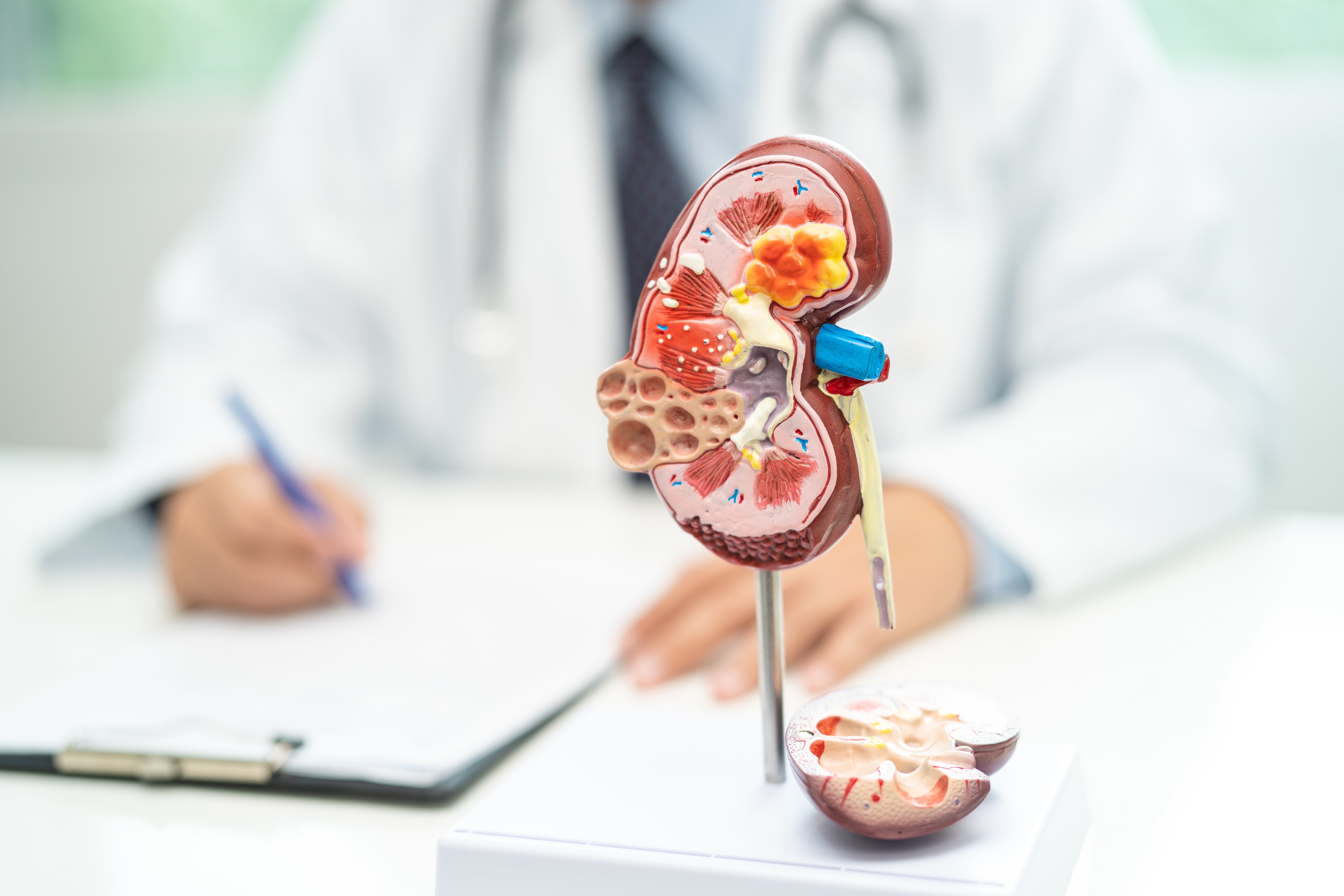
While dietary and lifestyle adjustments can help reduce kidney strain and support overall kidney health, they may not always be enough to control proteinuria on their own. Persistent protein in the urine can sometimes indicate underlying kidney disease or progressive damage that requires medical evaluation, monitoring or treatment. Early assessment by a kidney specialist may help identify the underlying cause and reduce the risk of long-term complications.
You should consider visiting a kidney specialist if you experience these persistent factors along with proteinuria:
- Foamy or frothy urine
- Swelling in the legs, feet, face or hands
- Fatigue or reduced energy levels
- Changes in urination frequency, colour or appearance
At The Kidney Health Care Clinic, care is led by Dr Alvin Ng Kok Heong, our senior consultant nephrologist, who provides comprehensive assessment and personalised treatment for a wide range of kidney conditions, including chronic kidney disease and proteinuria. Dr Ng adopts a patient-centred approach focused on early detection, practical lifestyle guidance and tailored management plans to help patients protect their long-term kidney health.
If you are experiencing persistent foamy urine or have concerns about your kidney health, contact our clinic today to arrange a consultation and receive personalised advice for your condition.
Meet Our Kidney Specialist in Singapore
Dr Alvin Ng Kok Heong
Senior Consultant Nephrologist
MBChB (Auckland), FRACP (Aus), FAMS (Renal Medicine)
Dr Alvin Ng is a nephrologist and kidney specialist in Singapore with more than 20 years of experience. He specialises in managing a wide range of kidney conditions and is dedicated to providing comprehensive, personalised and evidence-based care for patients with kidney disease.
Dr Ng obtained his Bachelor of Medicine and Surgery from the University of Auckland in 2002 and completed his nephrology training in New Zealand. He was admitted as a Fellow of the Royal Australasian College of Physicians in 2010. Prior to private practice, he served as a Consultant Nephrologist at North Shore Hospital, Auckland, from 2010 before joining the Department of Renal Medicine at Changi General Hospital (CGH) in 2012.
Throughout his career in public healthcare, Dr Alvin Ng held several leadership positions within the nephrology community and received numerous awards in recognition of his service and dedication as a kidney specialist.


